Notes on inbox hygiene.
What we're learning about privacy-first engineering, product trade-offs, and what helps the humans behind the inbox.
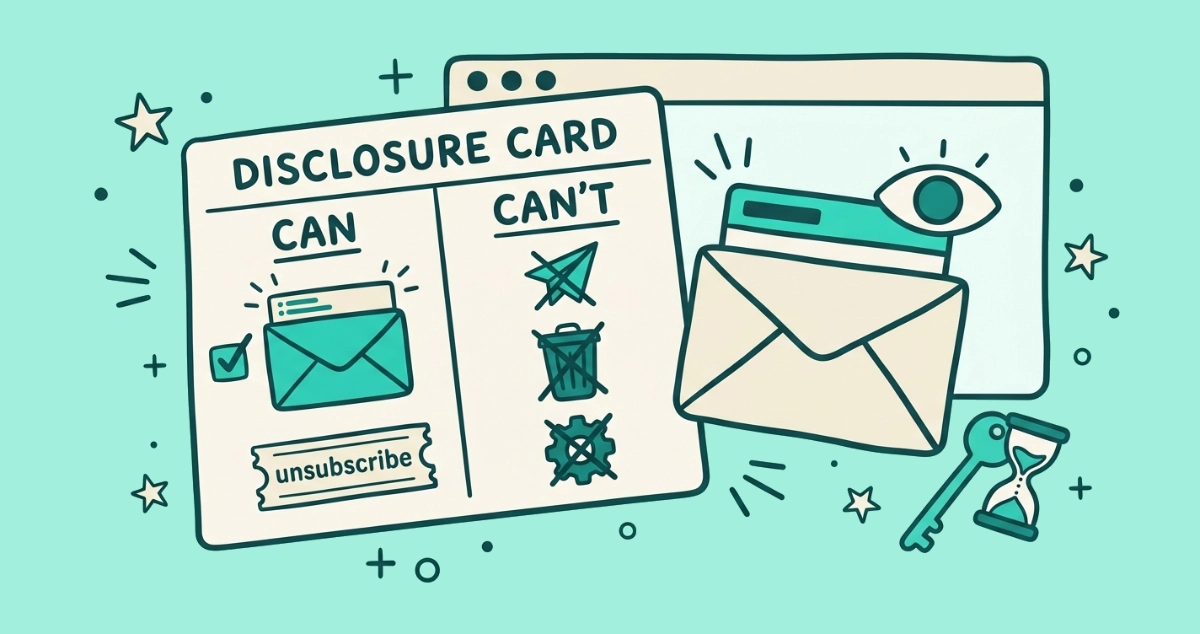
Exactly what we can and can't see when you connect your inbox
A plain, itemized list of what our unsubscribe app can and can't see when you connect Gmail or Outlook: read-only headers, in your browser, nothing stored.
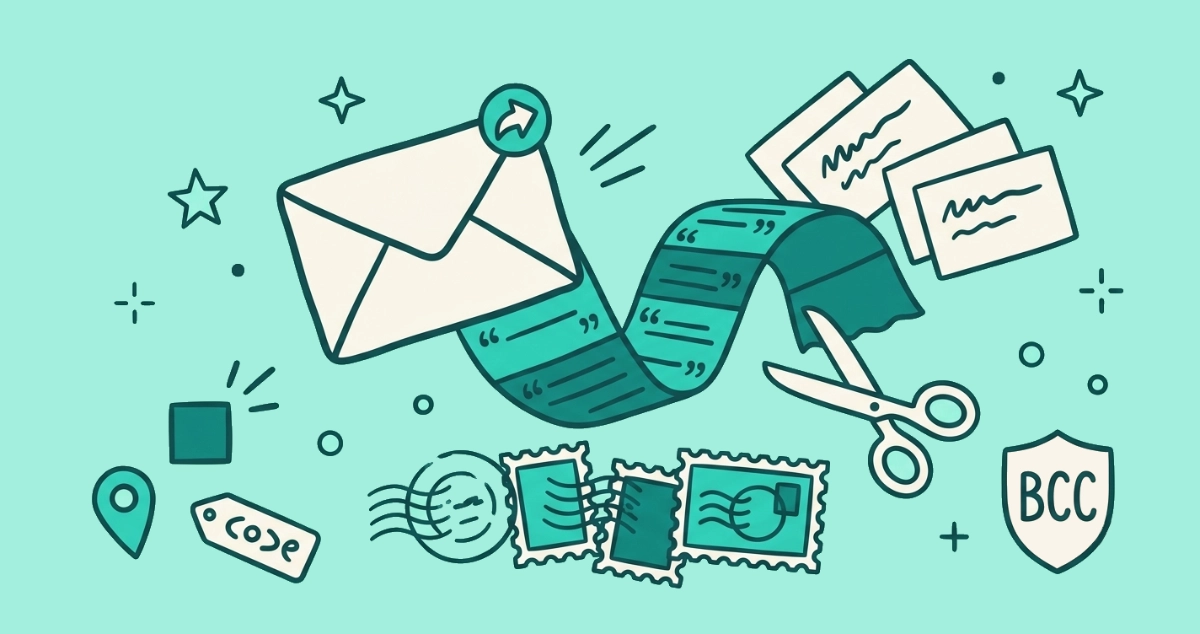
What a forwarded email actually leaks about you
Forward an email and more than the text travels: the quoted thread, everyone's addresses, full headers, and re-firing tracking pixels. Here's what leaks and how to stop it.
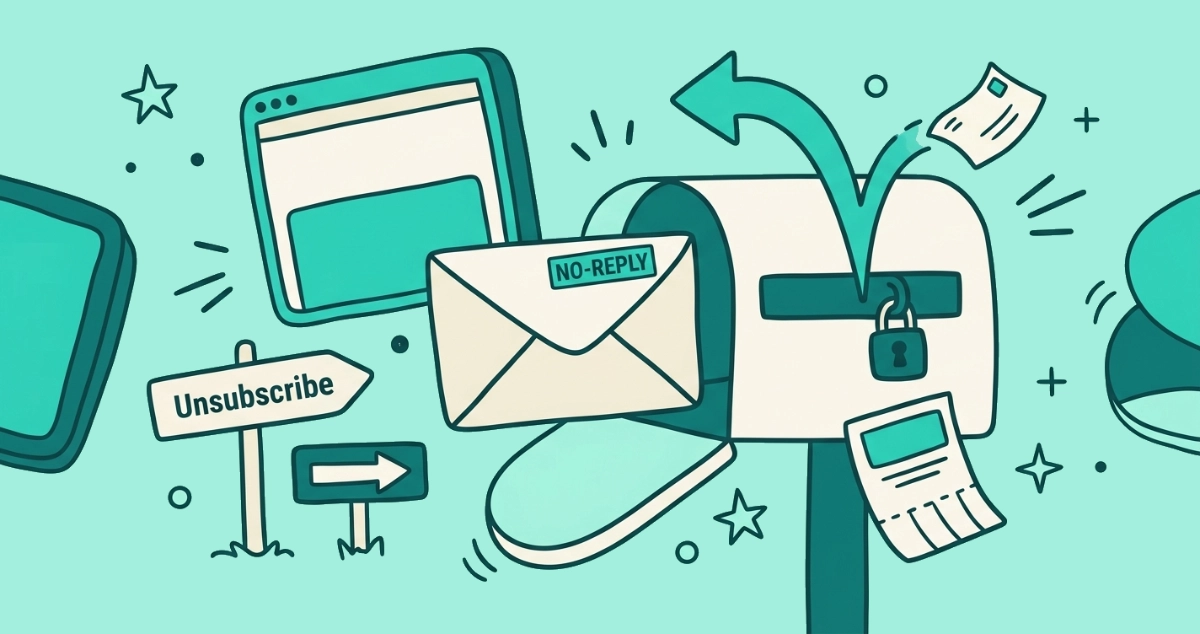
What is a no-reply email address (and why you can't reply)
A no-reply email address sends automated mail but ignores your replies. Here is why you can't reply, why companies use it, and how to opt out anyway.
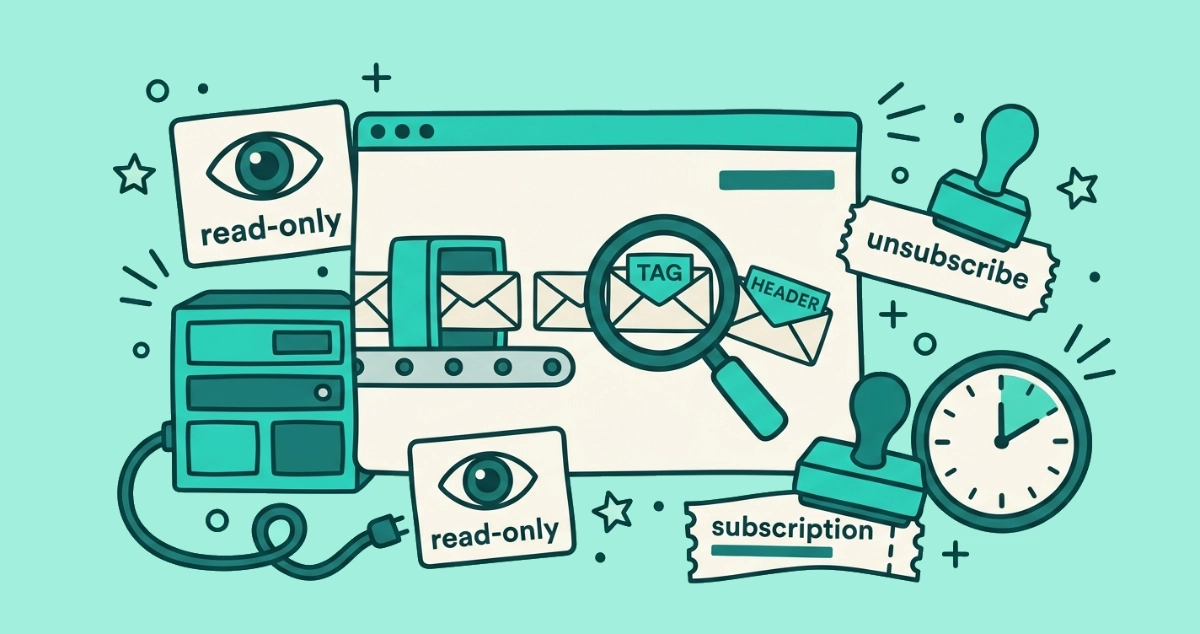
How our browser-only scanner works
A plain-English walkthrough of how our browser-only scanner reads your inbox on your device, so your email content never reaches our servers.
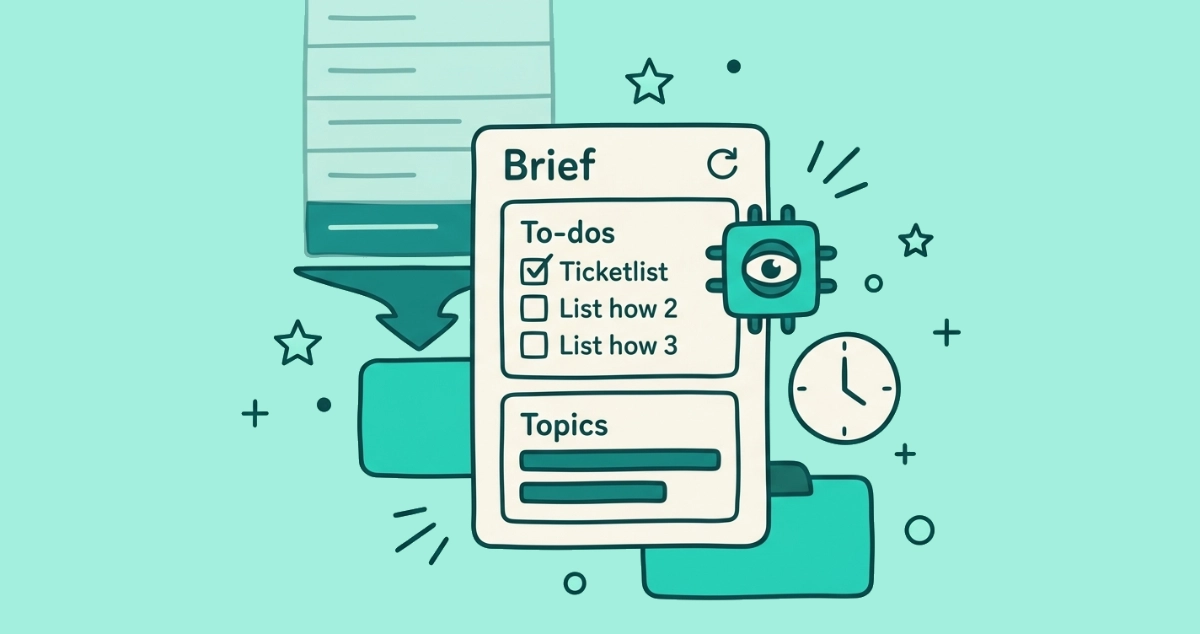
Gmail's AI Inbox: your email as a briefing, not a list
Gmail's AI Inbox turns your email into a briefing of to-dos and topics instead of a message list. What it surfaces, what it hides, and how to switch it off.
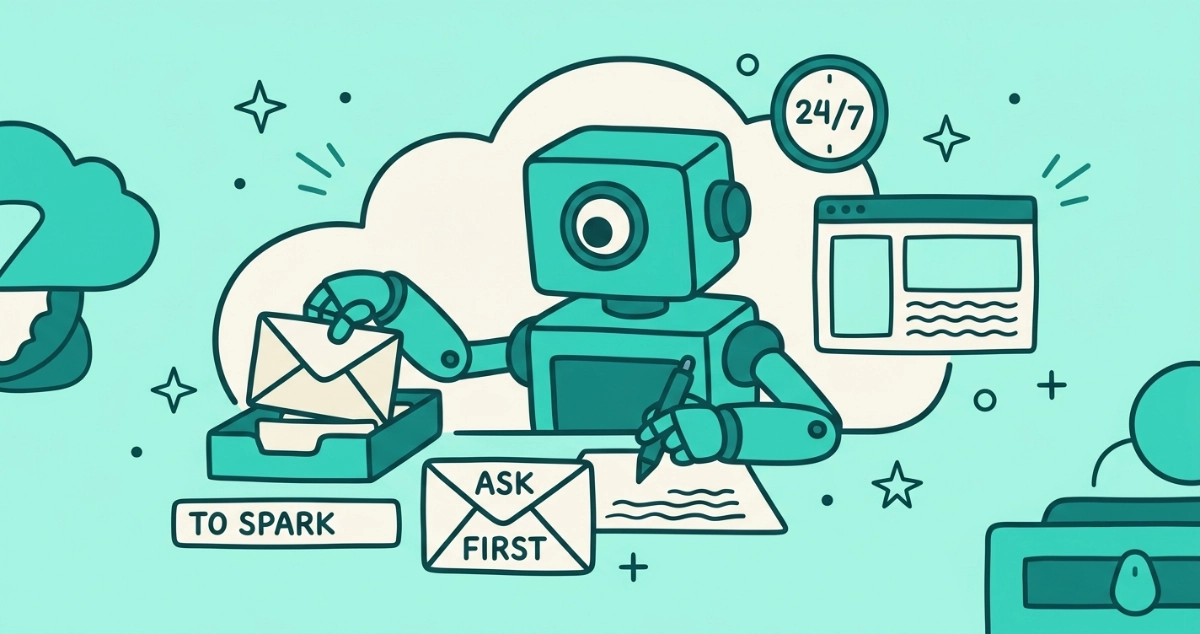
Gemini Spark: what a 24/7 AI agent in your inbox actually does
Google's Gemini Spark is a 24/7 AI agent that reads and acts on your Gmail. Here's what it actually does, and the trade-off of the access it needs.
Email anxiety: the psychology of a stressful inbox
Email anxiety is real and it runs on a mechanism. Here is the psychology behind a stressful inbox, and calm, practical ways to lower the load.
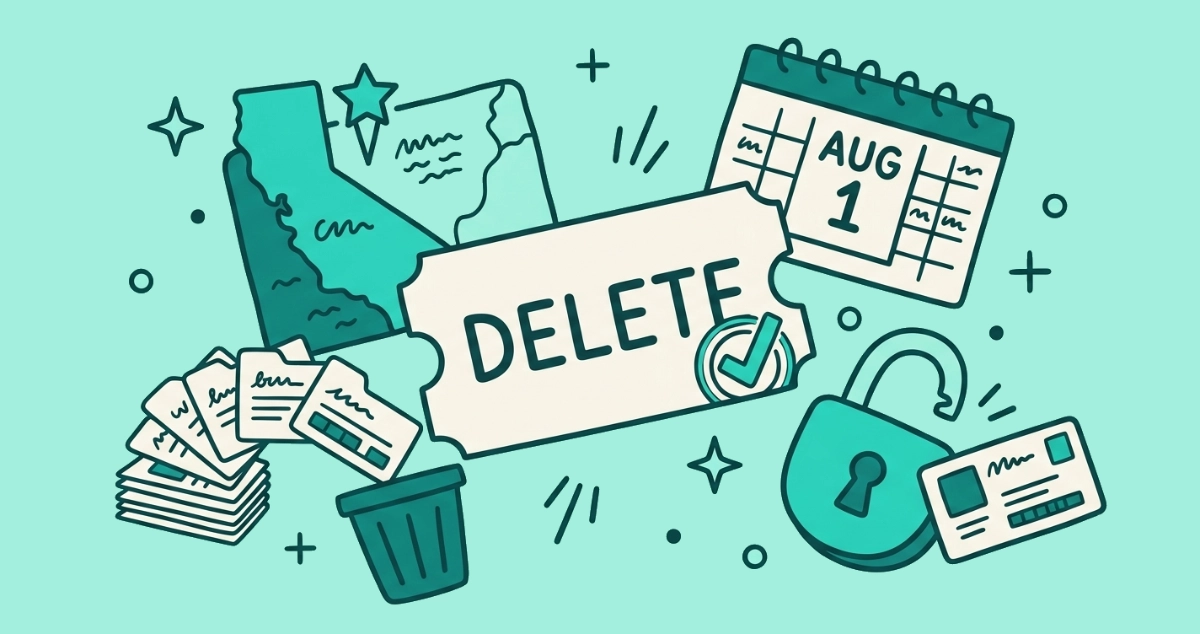
California's DROP is live: delete yourself from data brokers in one request
California's DROP platform is live: one verified request tells every registered data broker to delete your data. Brokers must process it by August 1, 2026.
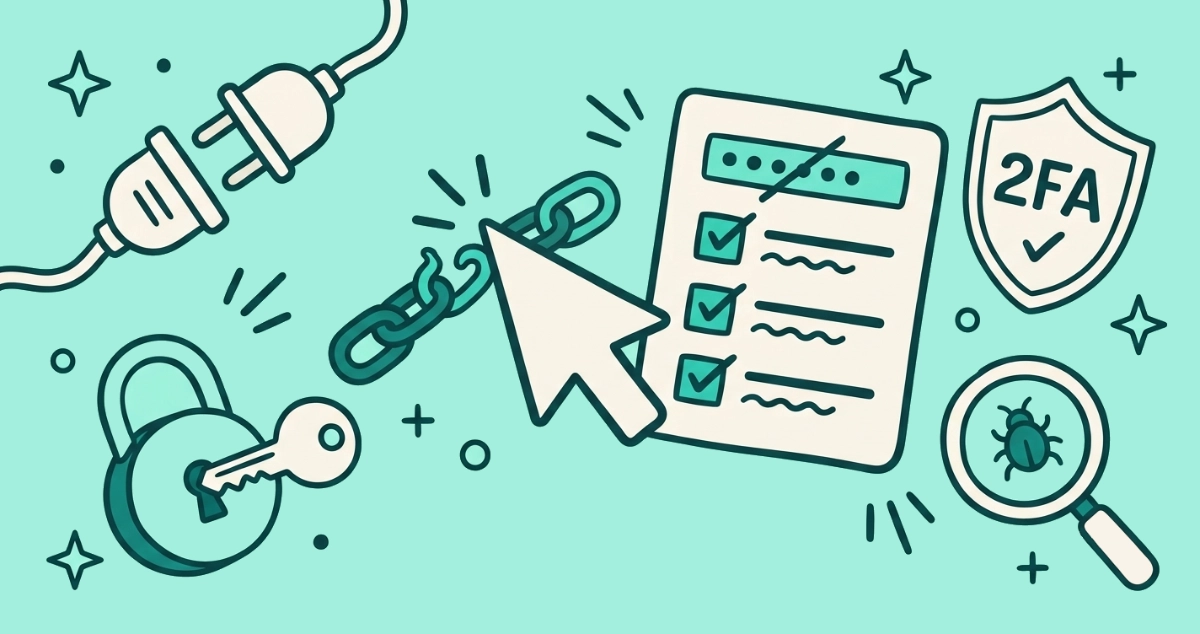
What happens if you click a phishing link?
Clicking a phishing link rarely hands over your account by itself. What you do next decides whether it stays that way. Here is the first-response checklist.
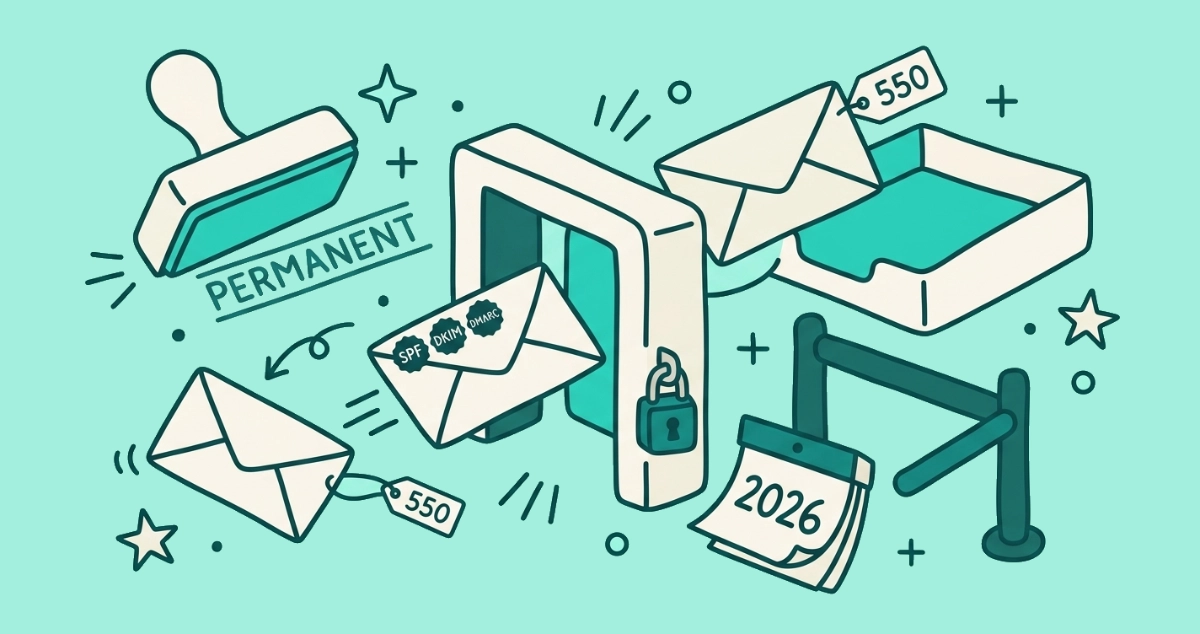
The bulk-sender email crackdown is now permanent (2026 update)
Two years in, the Gmail, Yahoo, and Microsoft bulk-sender rules are permanent, and Gmail now rejects non-compliant mail outright. What it means for your inbox.
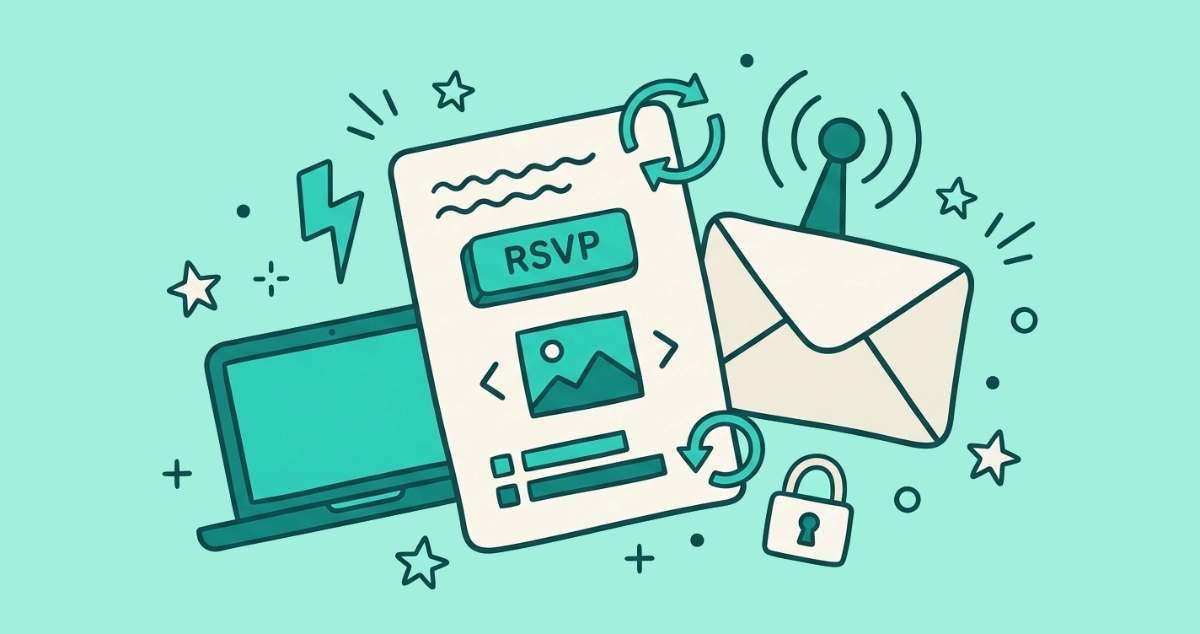
AMP and interactive emails: why some messages have working buttons
Some emails now let you RSVP, fill a form, or browse a carousel without leaving your inbox. Here's how AMP for Email works and who supports it.
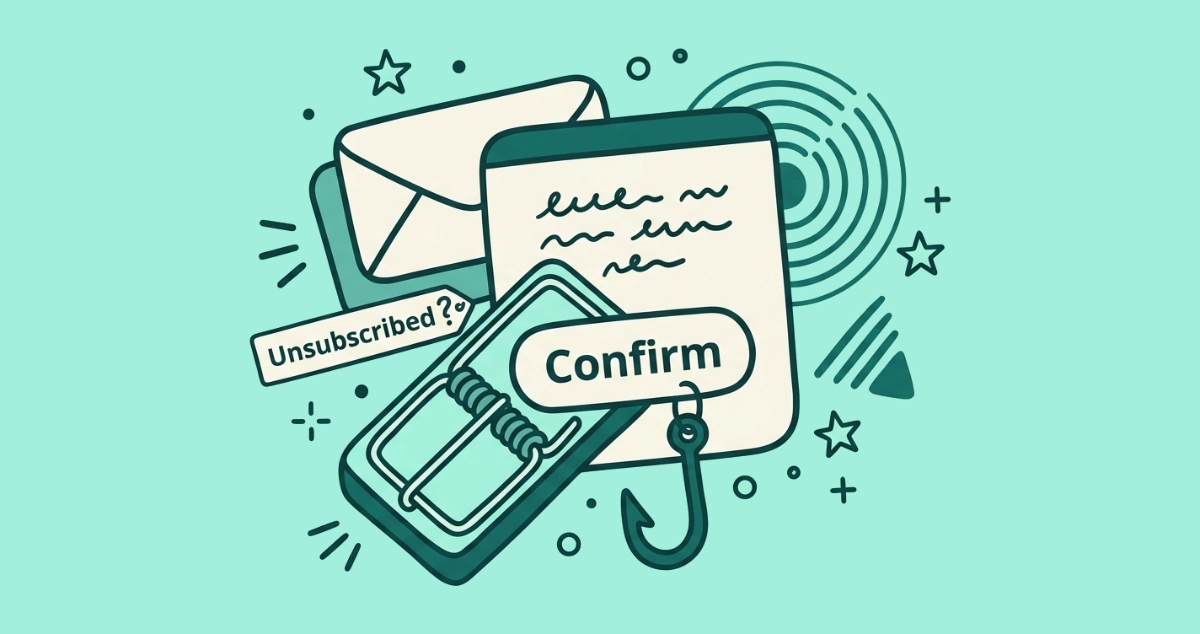
The unsubscribe confirmation email scam
An unsolicited 'you've been unsubscribed' email is bait. Here's why the confirmation click is the trap, and what to do instead of clicking it.
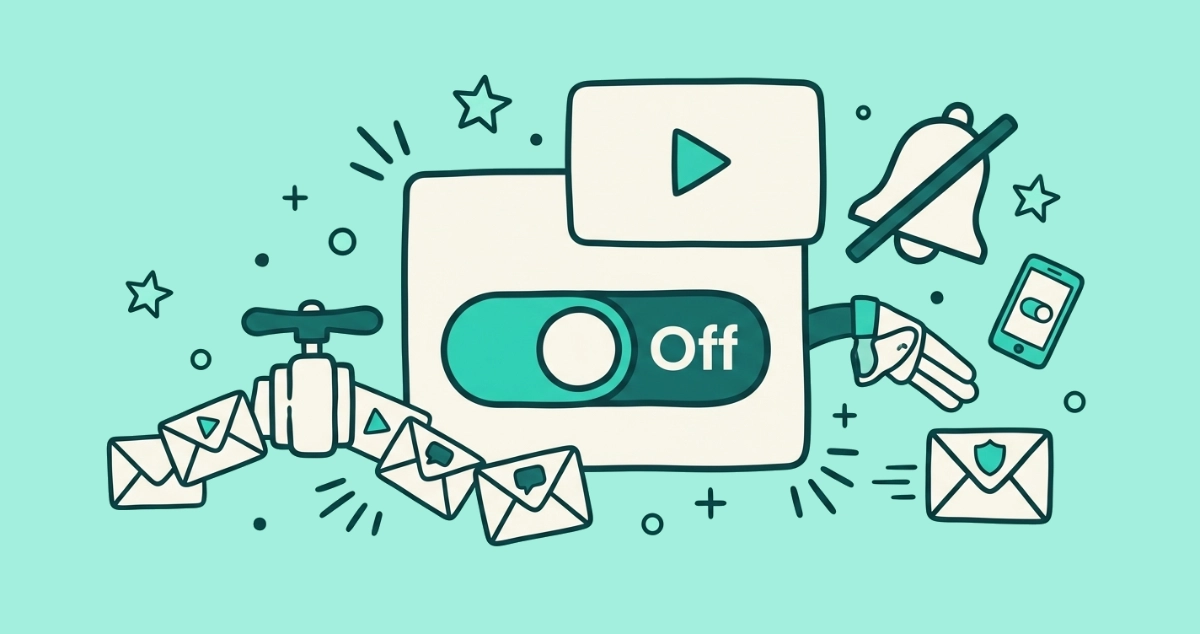
How to stop YouTube notification emails
Turn off YouTube email notifications at the source. Open Settings, Notifications on youtube.com and switch off the Email notifications Permission toggle.
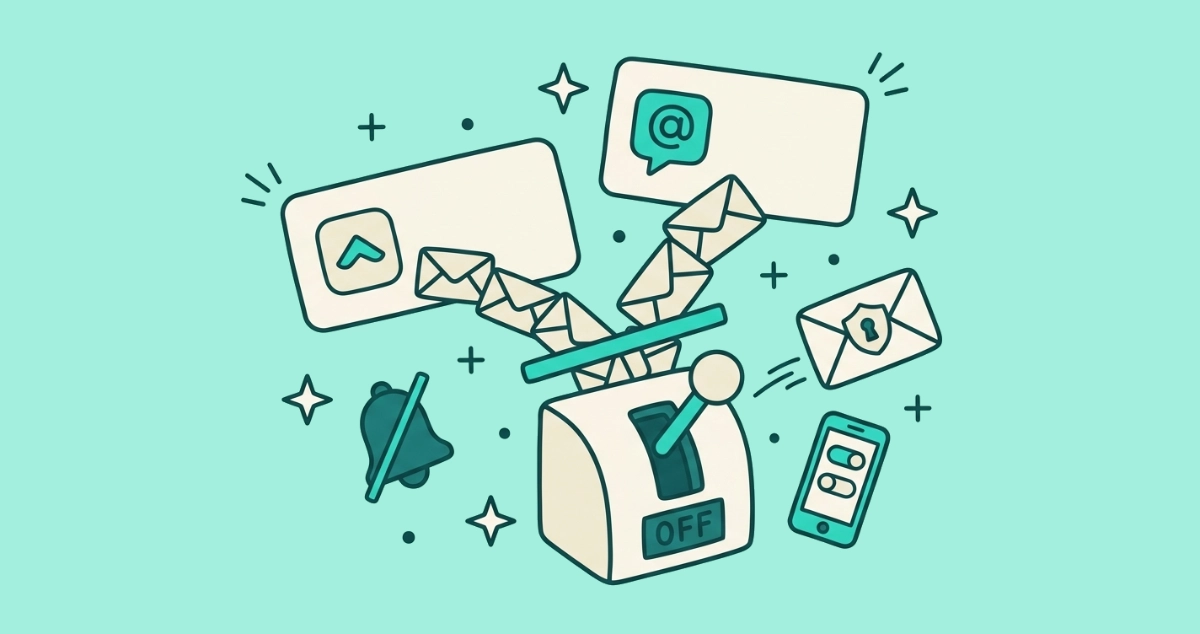
How to stop Reddit and X (Twitter) emails
Reddit and X both hide an email off switch in their settings. Here is the exact path to turn off notification emails in each, step by step.
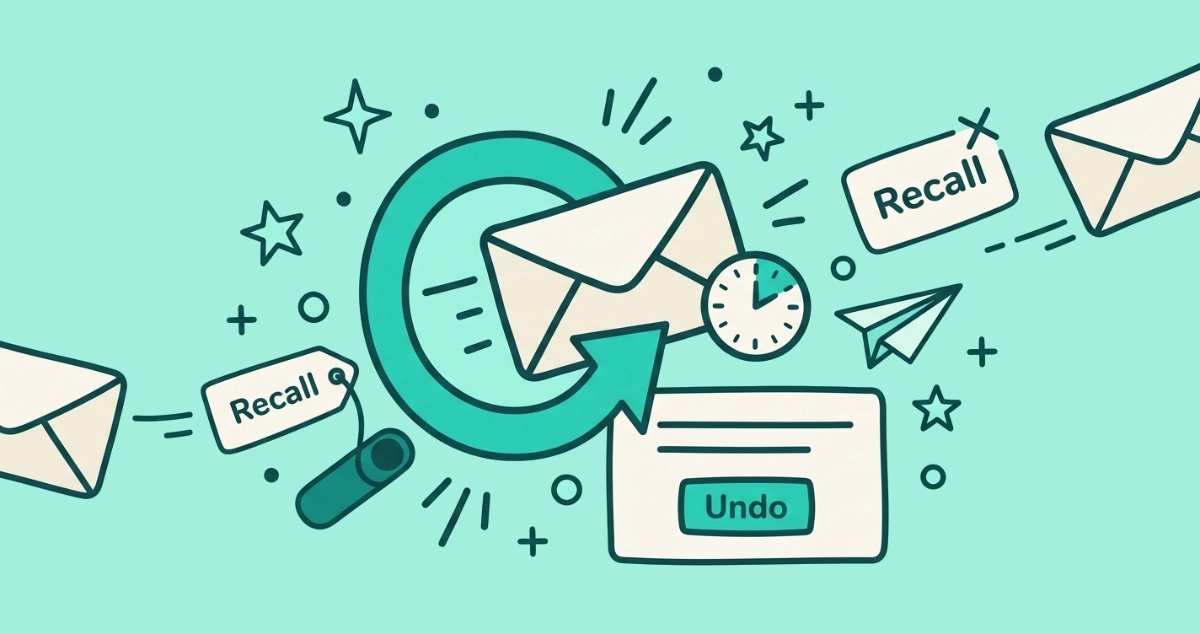
How to recall or unsend an email
Gmail's Undo Send cancels a message before it leaves. Outlook's recall only works inside one organization and often fails. Here is what actually works.
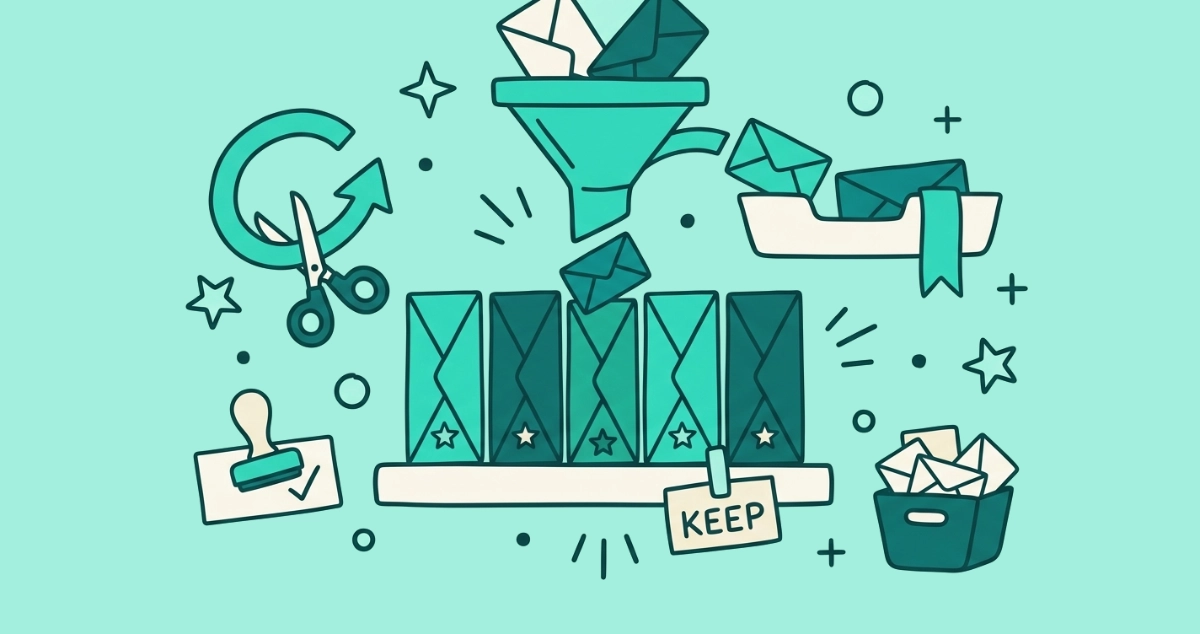
Newsletter minimalism 101: the 5-newsletter rule
Newsletter minimalism keeps a tiny, deliberate set of newsletters and routes the rest away. Here is the 5-newsletter rule and how to decide what earns a slot.
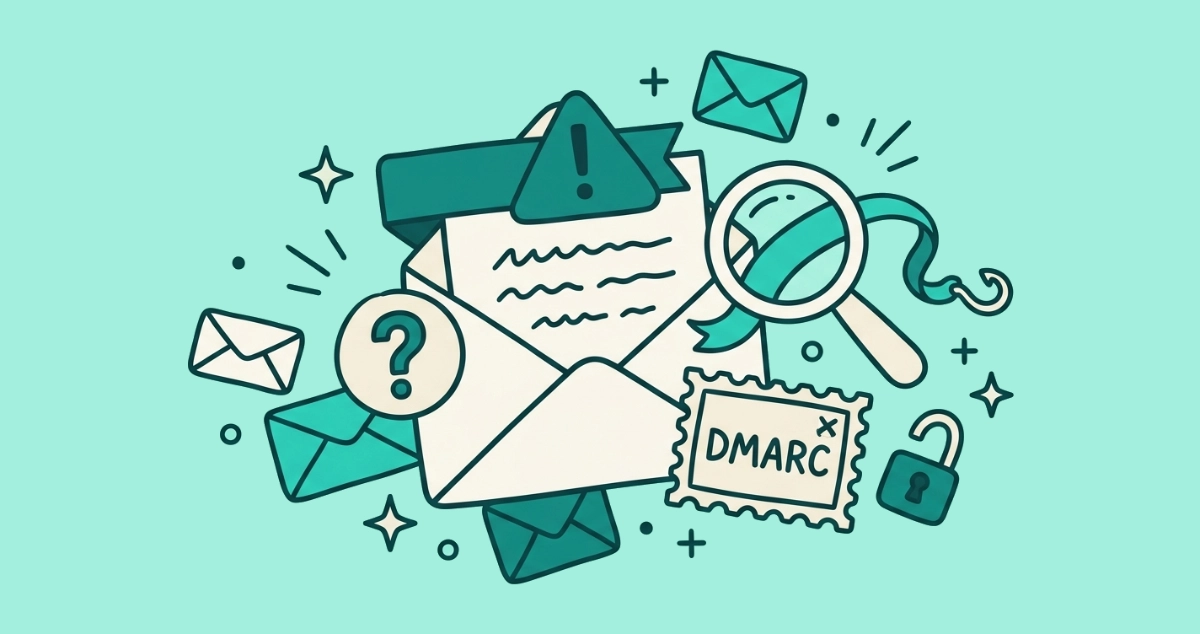
Why Gmail says "this message seems dangerous"
Gmail's red "this message seems dangerous" banner means it scored the mail as likely phishing. Here is what triggers it, what the colors mean, and what to do.
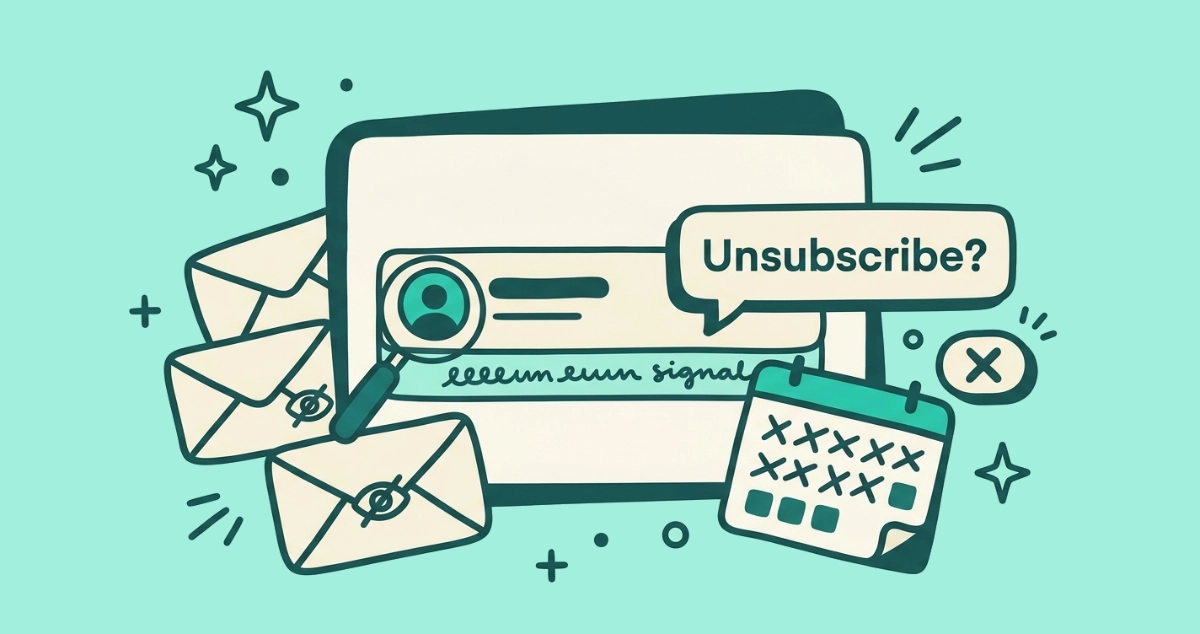
Gmail's unsubscribe suggestions: how they work
Gmail flags senders you've stopped opening and suggests you unsubscribe. Here's how it decides, what clicking does, whether it's safe, and its limits.
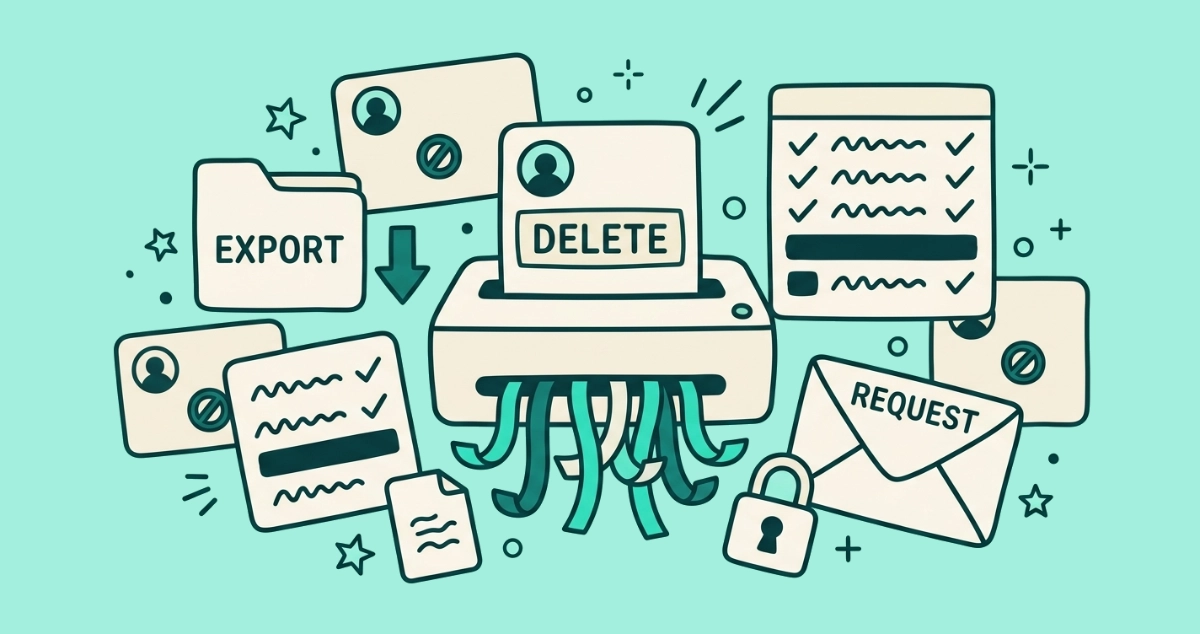
How to delete old online accounts you forgot about
Closing dead accounts shrinks your breach surface. How to find the delete option, what to save first, and what to do when there is no delete button.
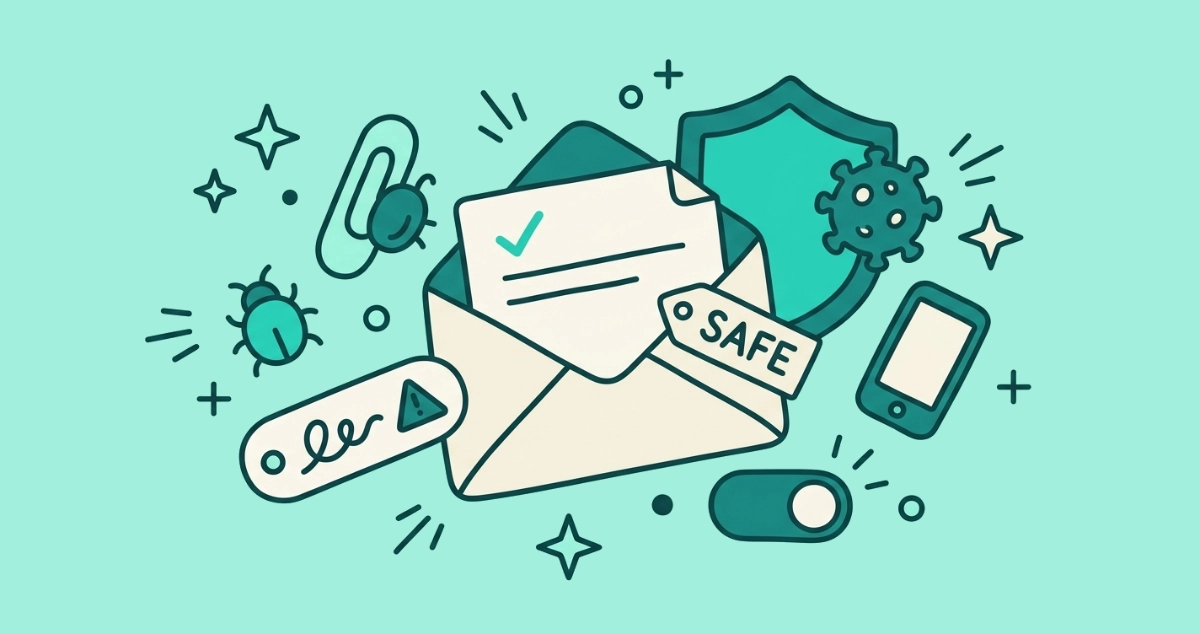
Can opening an email give you a virus?
In an updated mail app, opening an email almost never installs anything. The risk starts when you open an attachment, click a link, or enable macros.
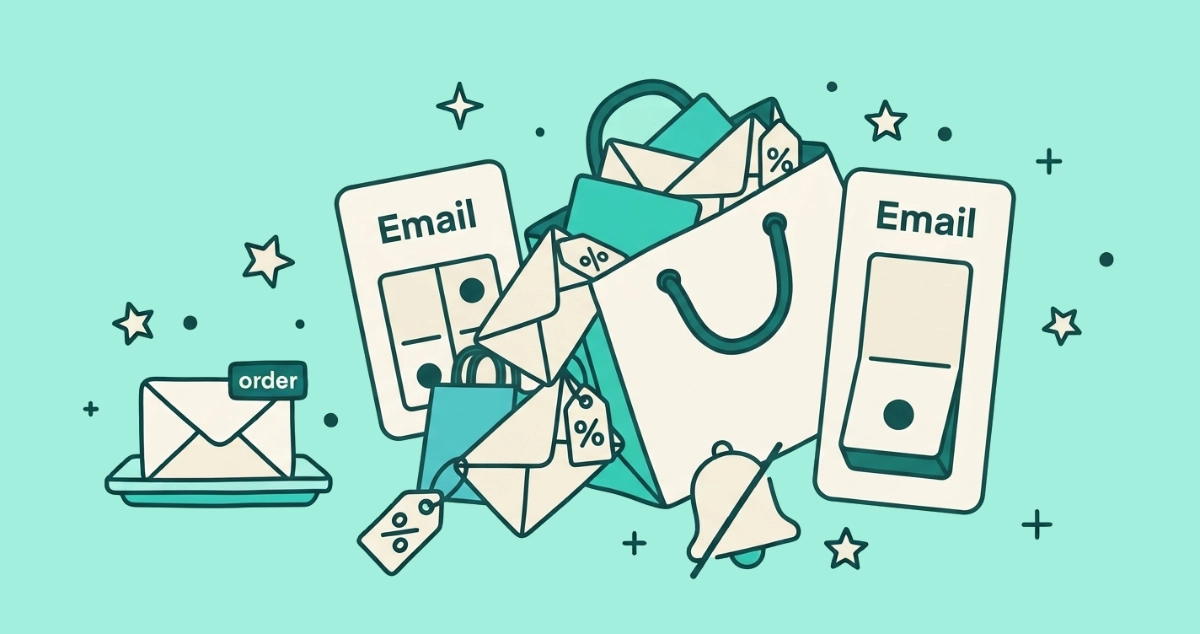
How to stop Shein and Temu emails for good
Shein and Temu mail hard, and one unsubscribe rarely covers it. Stop their promo emails at the source with three settings each, then block the stragglers.
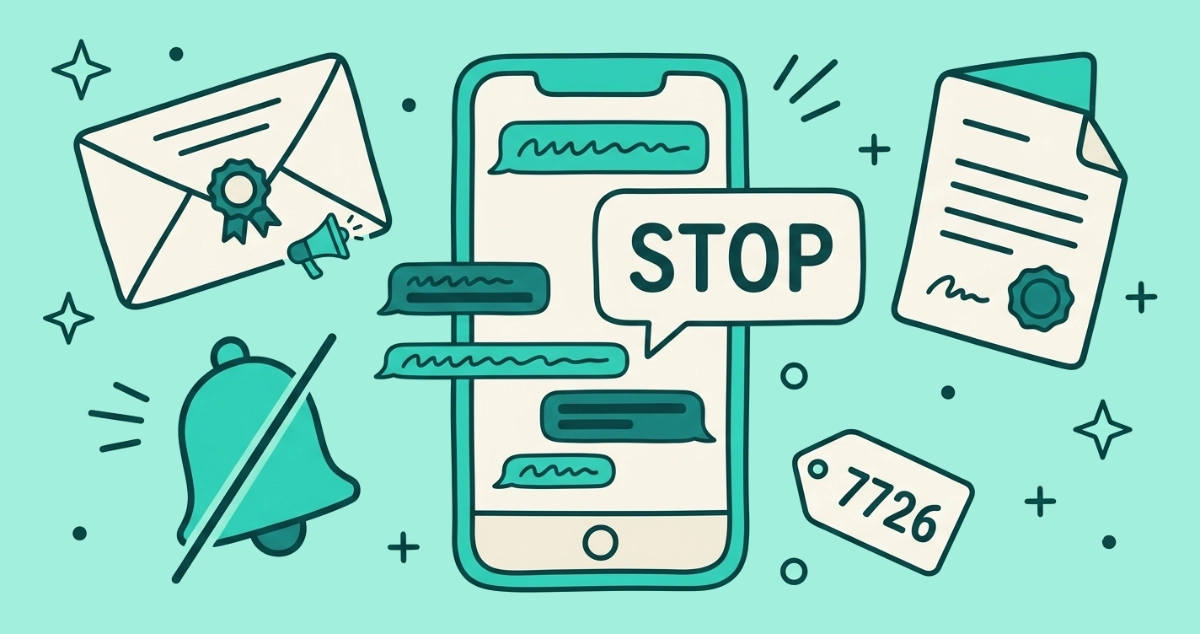
How to stop political campaign texts and emails
Political email escapes CAN-SPAM and many mass texts sidestep the TCPA, so opt-outs are voluntary. Here is the practical playbook that makes them stop.
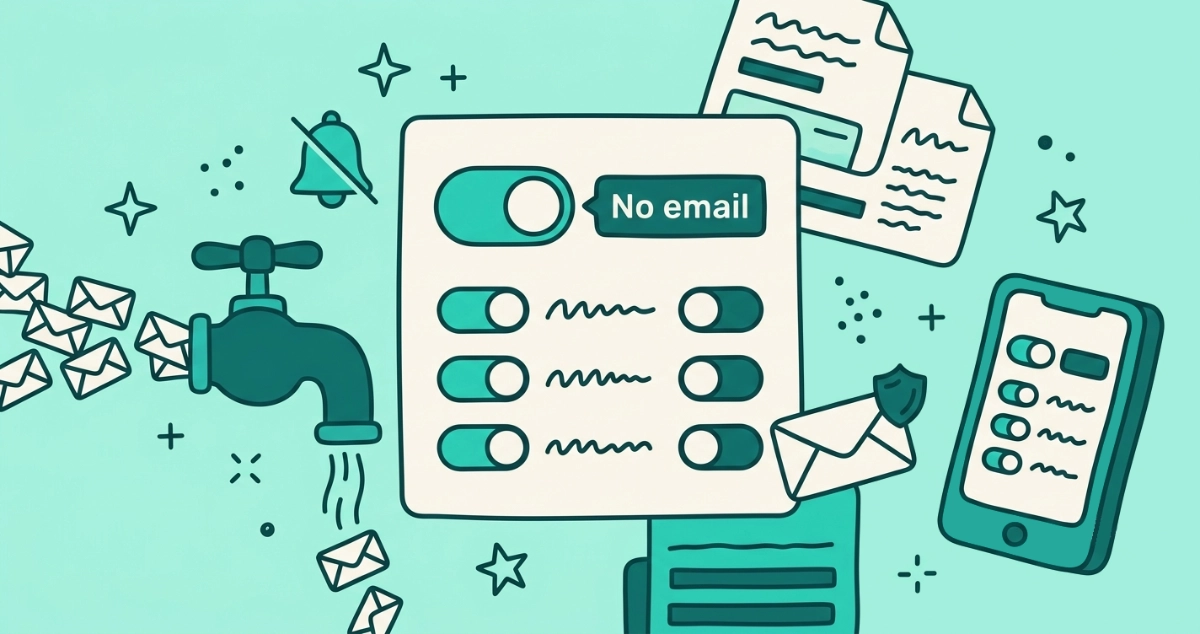
How to stop LinkedIn emails (2026)
Stop LinkedIn notification emails at the source. Set the frequency of all email notifications to No email under Settings, Communications, Email.
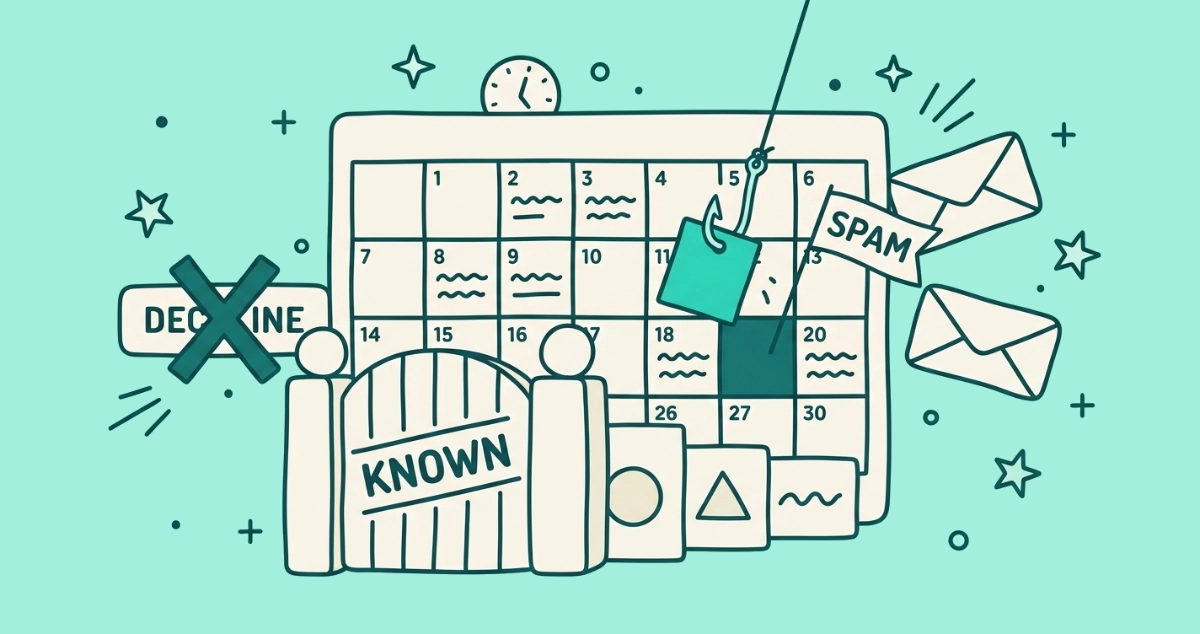
How to stop Google Calendar spam invites
Spam invites auto-add to your Google Calendar, often with phishing links. Set invites to known senders, report the spam, and never tap Decline.
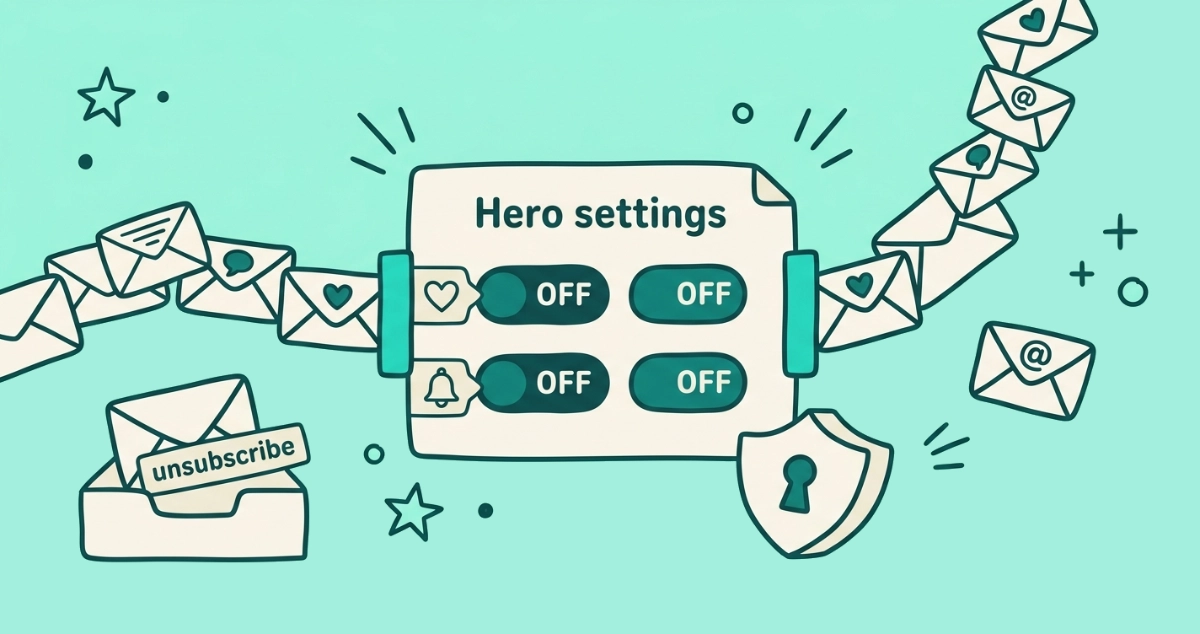
How to stop Facebook and Instagram notification emails
Facebook and Instagram are both Meta apps with the same off switch. Here's how to turn off their email notifications in each, step by step.
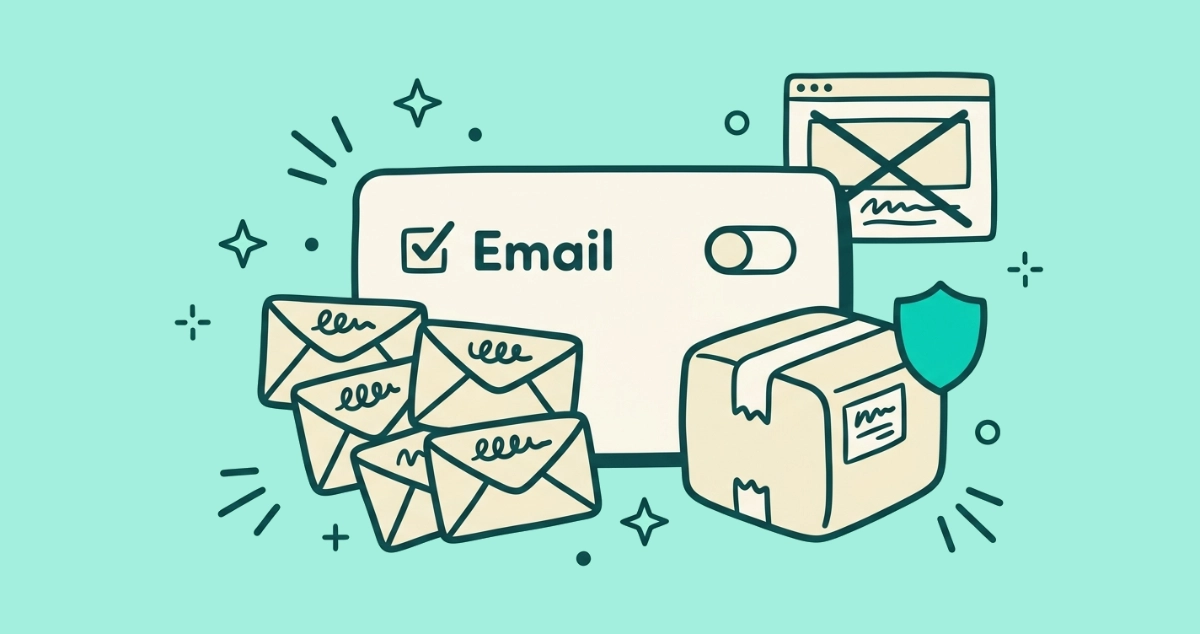
How to stop Amazon marketing emails
Amazon runs marketing email across many separate lists. Here is how to stop Amazon marketing emails in two settings, and keep your order and shipping updates.
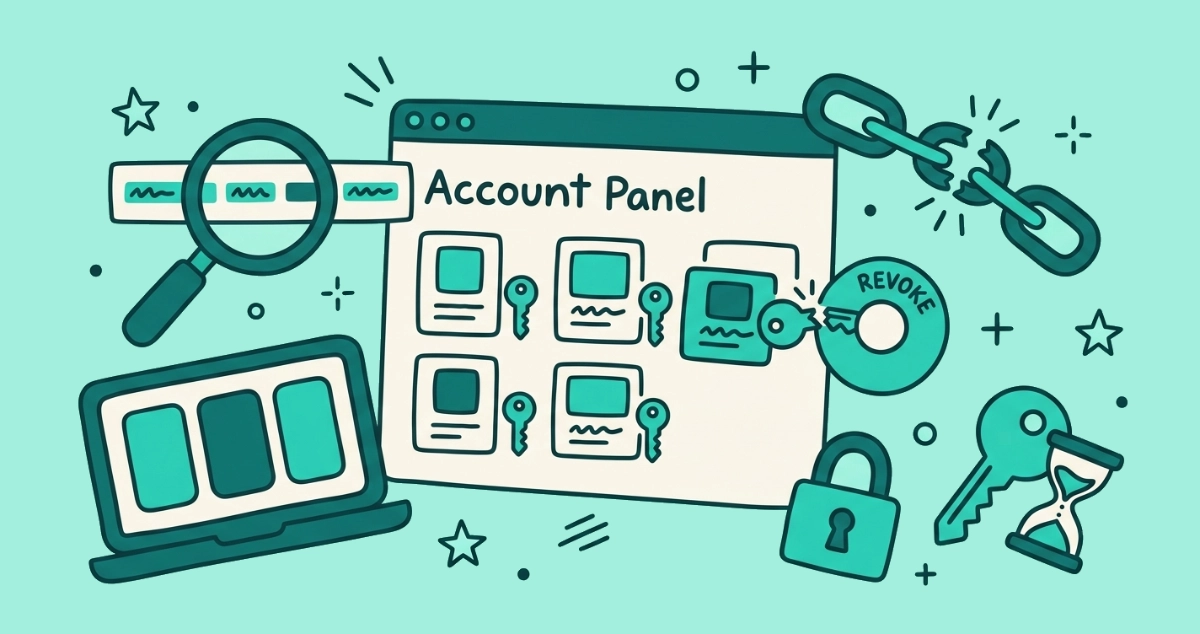
How to revoke third-party app access to your Google account
Review which apps can read your Gmail and revoke their access at myaccount.google.com/connections, plus how to tell read-only from full access.
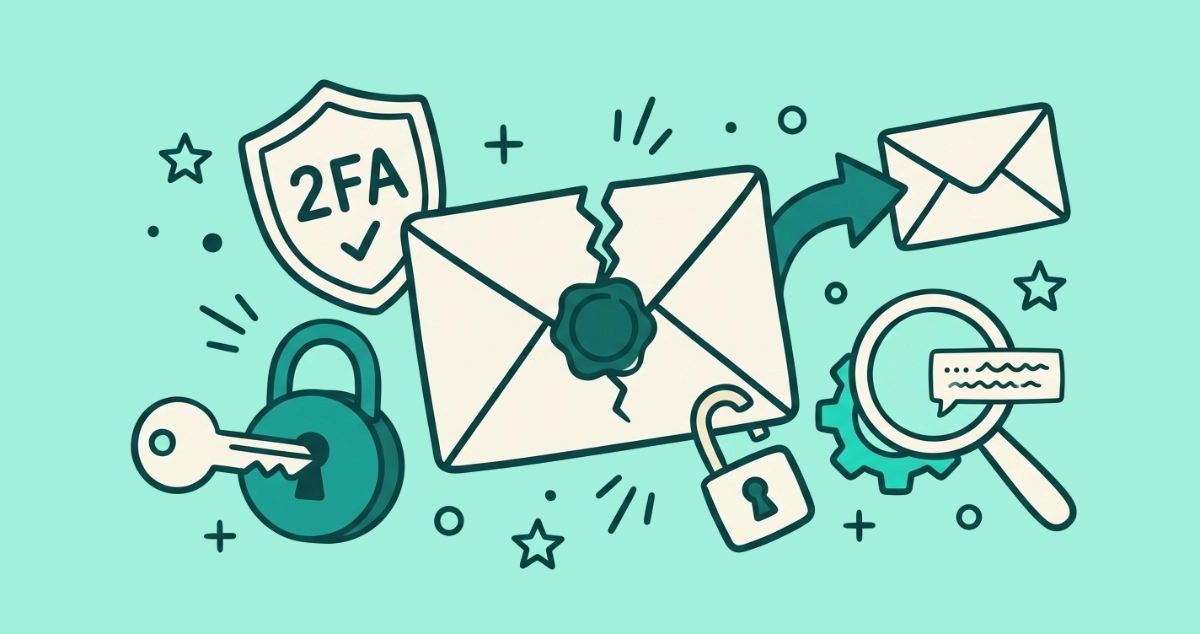
Is your email account hacked? Signs and what to do
The warning signs your email is compromised, from sent mail you never wrote to hidden forwarding rules, plus the recovery steps to take in order.
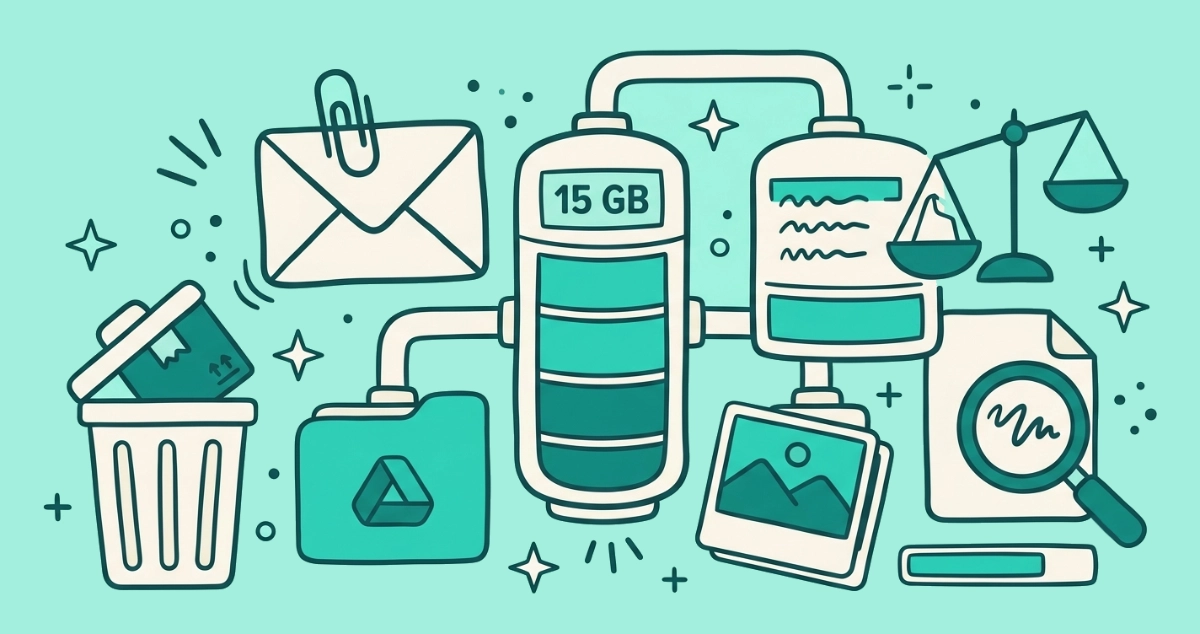
Gmail storage full: what's eating it and how to clear space
Your 15 GB Google quota is shared across Gmail, Drive, and Photos. See what's eating it and clear the most space, fastest.
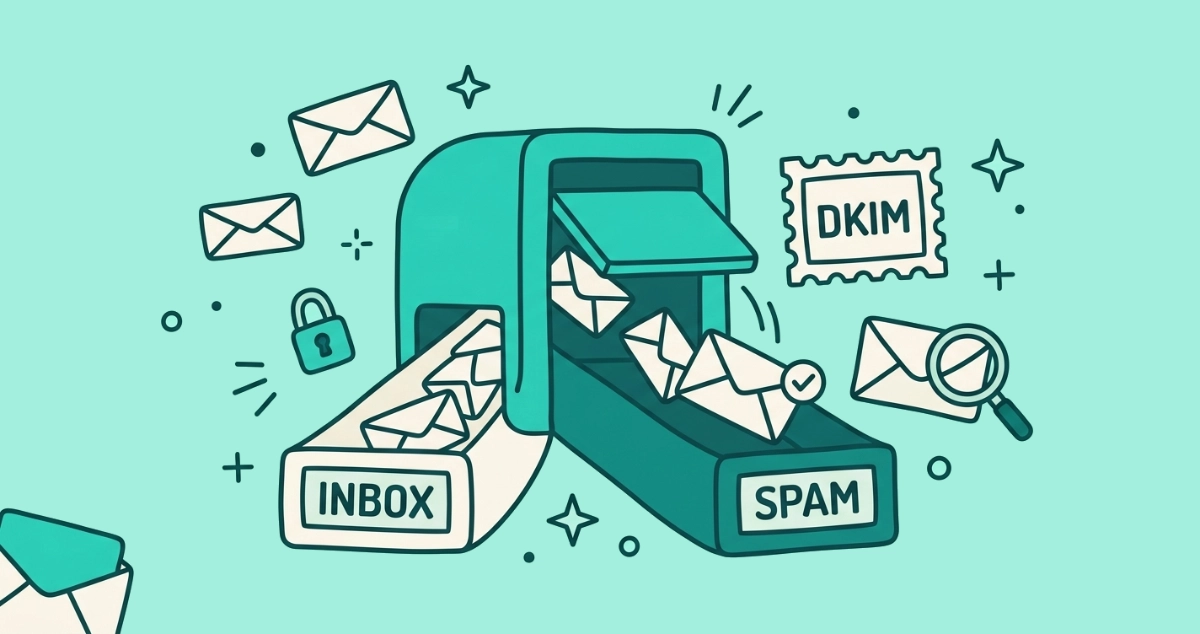
Why your emails go to spam (and why legit mail gets flagged)
Mail goes to spam when a filter scores it as risky. Here is how filters decide, why legit mail gets flagged, and how to rescue a good email.
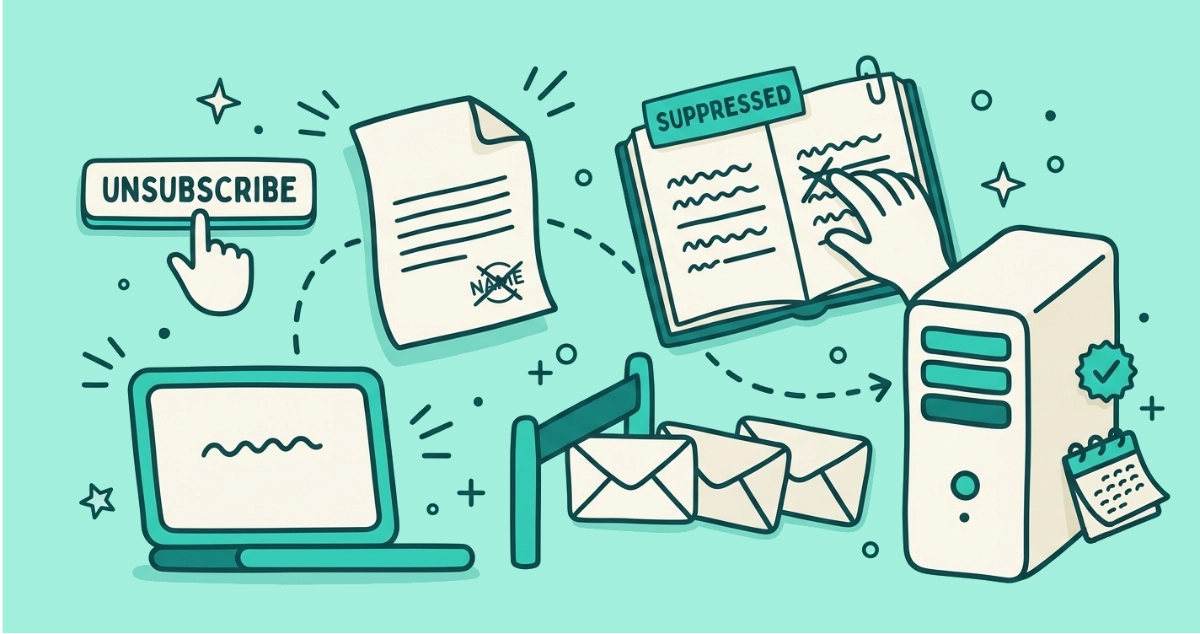
What actually happens when you click unsubscribe
Click unsubscribe and your request travels to the sender's server, lands your address on a suppression list, and future campaigns skip you. Here's the journey.
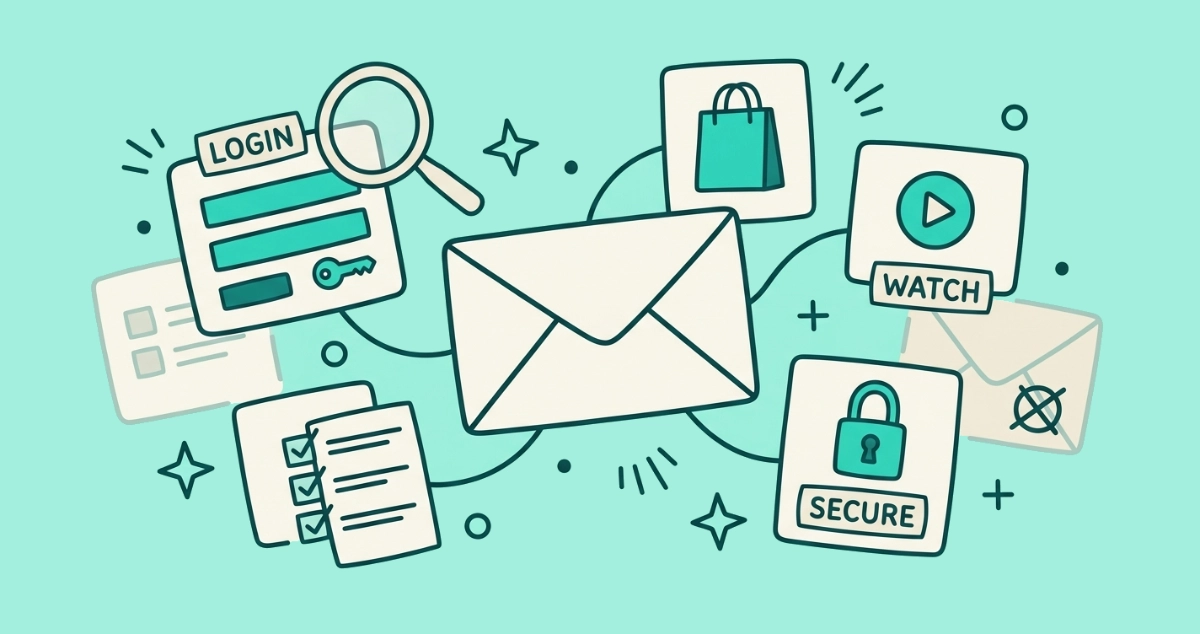
How to find every account linked to your email address
No single button lists every account tied to your email. Four practical methods to reconstruct the full list, then close the ones you never use.
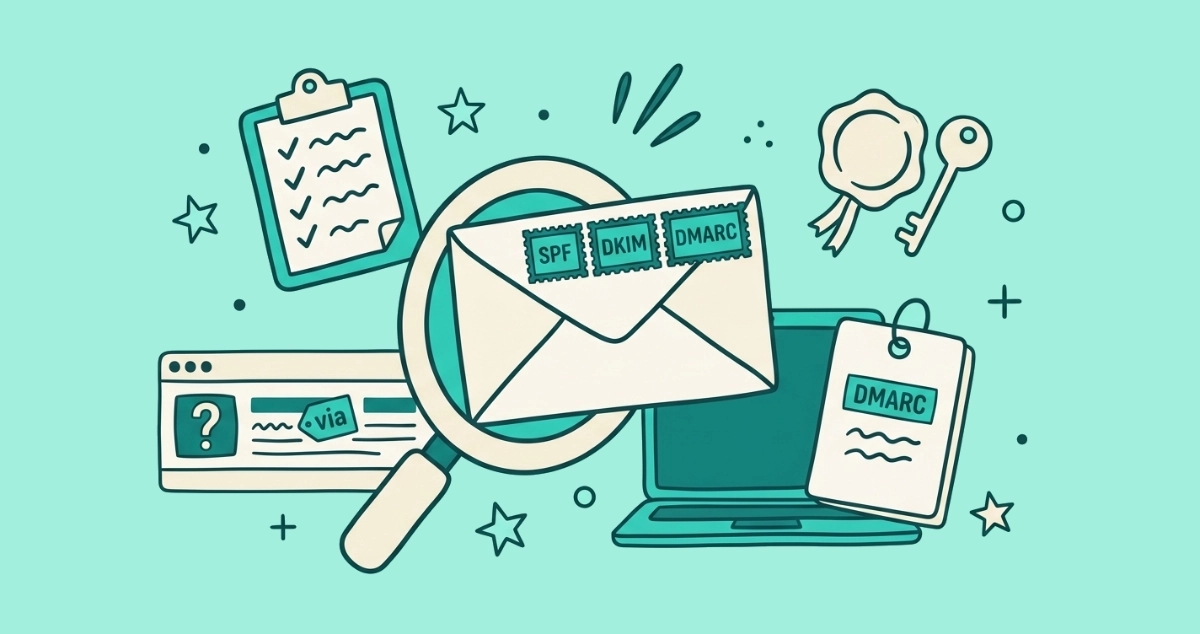
SPF, DKIM, and DMARC in plain English
The gray 'via', the 'mailed-by' line, and the red question mark all come from three checks: SPF, DKIM, and DMARC. What each one actually proves.
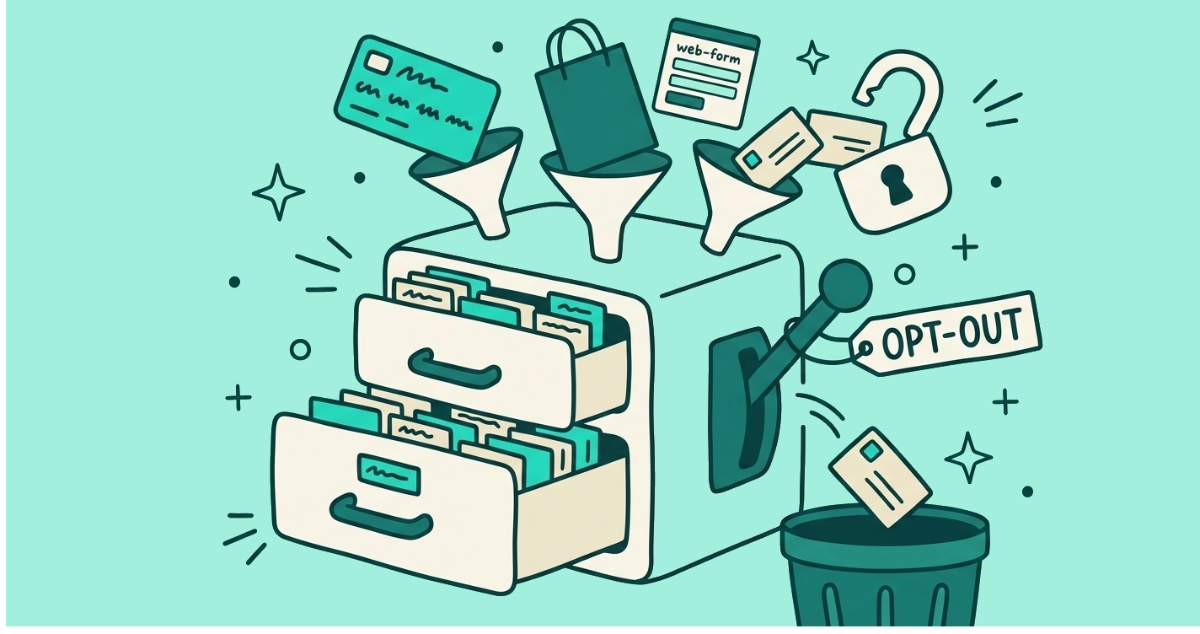
How data brokers get your email (and how to opt out)
Data brokers rarely get your email from public records. They collect it from signups, loyalty cards, and list sales, then merge it into a profile they sell.
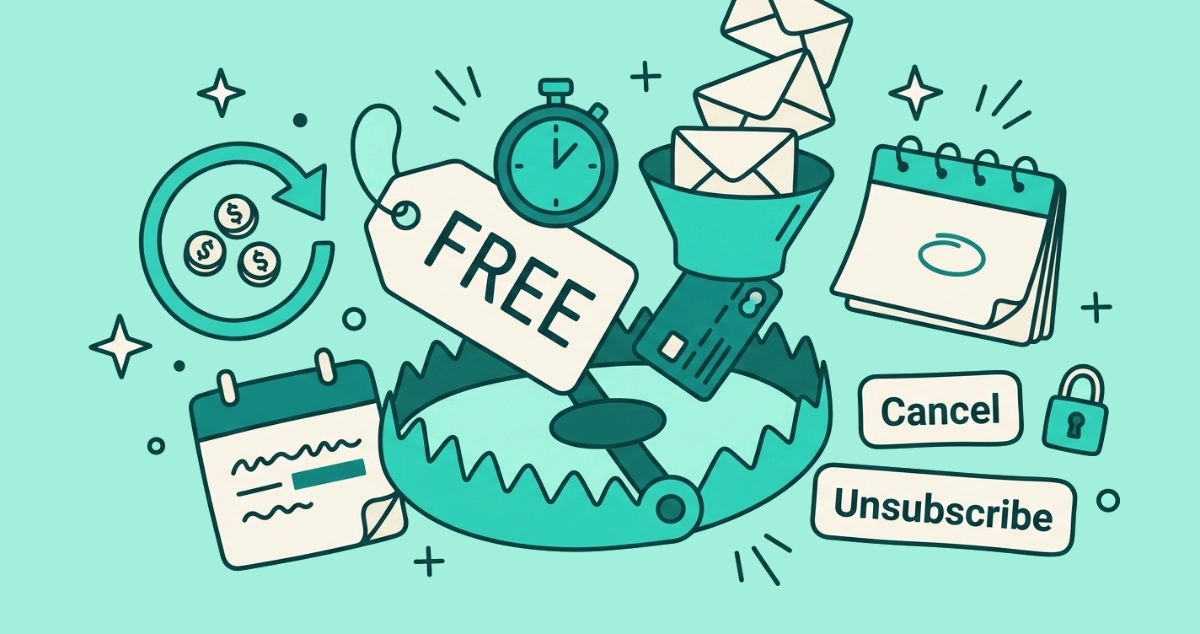
Free-trial subscription traps: how the email funnel charges you
A free trial becomes a recurring charge when the cancel path is buried. Here is how the email funnel springs the trap, and how to cancel and stop the mail.
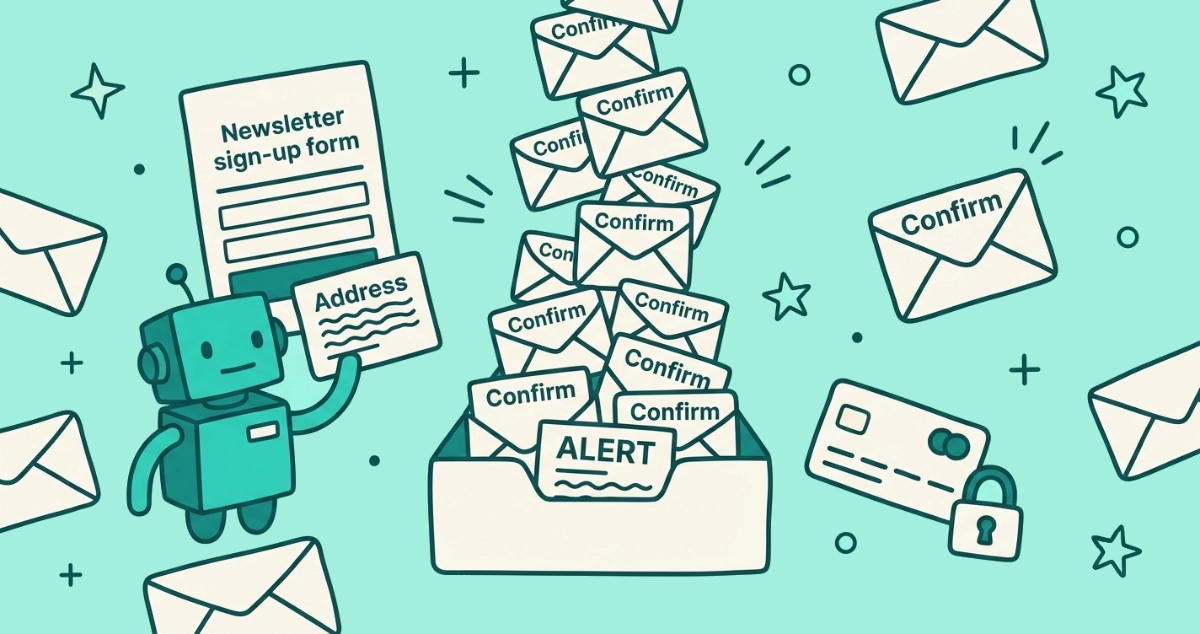
Email bombing: why you're suddenly getting hundreds of signup emails
A sudden flood of newsletter confirmations is often an email bomb: an attacker signing your address up to hundreds of lists to bury a fraud alert.
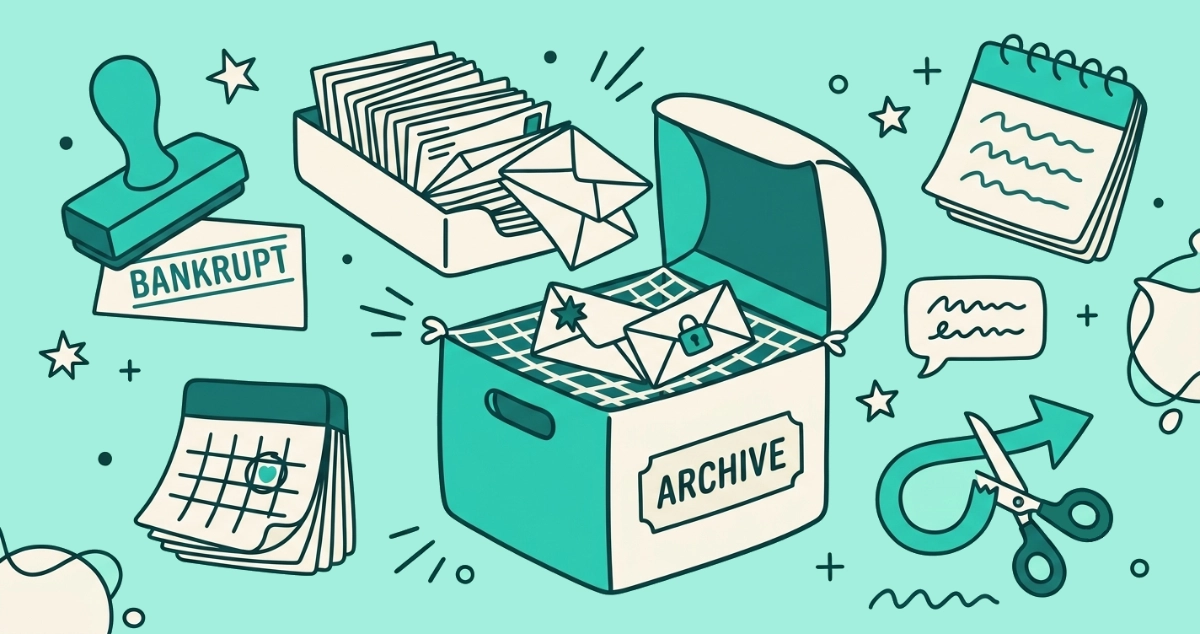
Email bankruptcy: how to declare it without losing important mail
Declaring email bankruptcy resets an overwhelmed inbox in one move. Here is when it is the right call and how to do it without losing important mail.
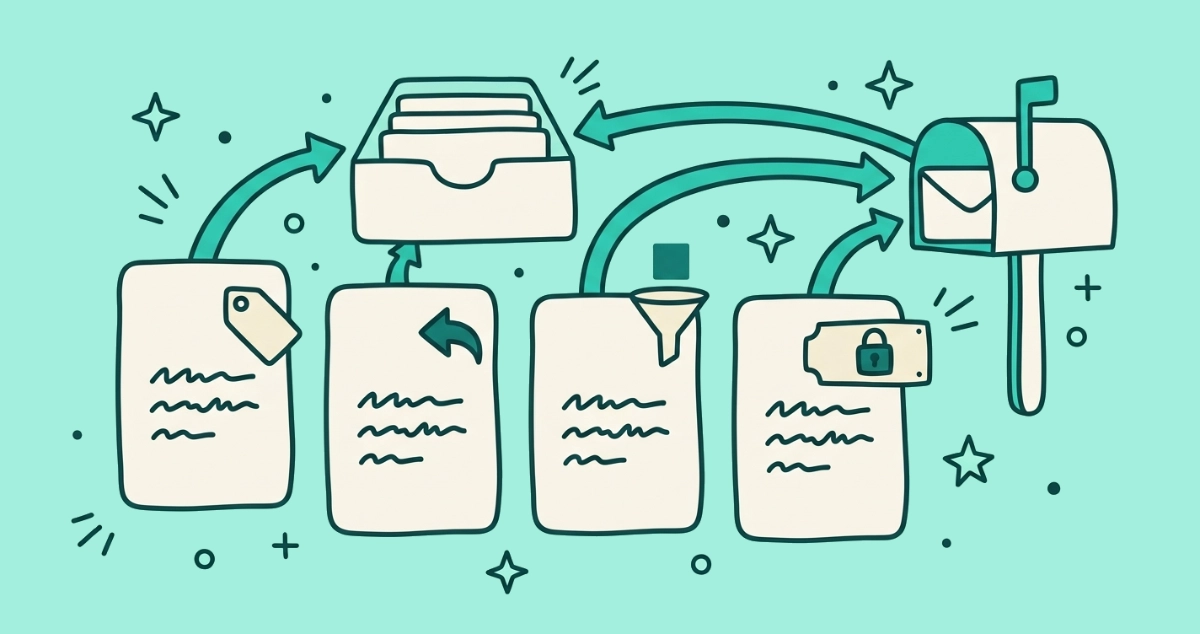
Email alias services compared: Hide My Email, Firefox Relay, DuckDuckGo, SimpleLogin
Apple Hide My Email, Firefox Relay, DuckDuckGo, and SimpleLogin compared on price, alias limits, reply support, tracker removal, and portability.
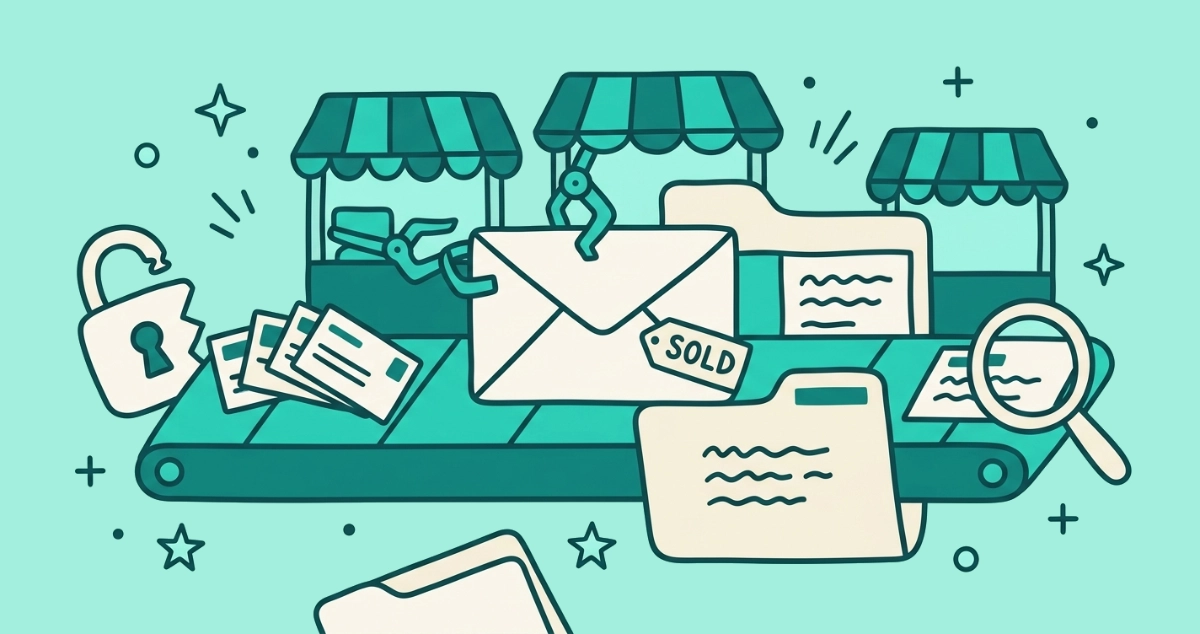
Where your email address goes after a data breach
A leaked email address gets bought many times over, by breach resellers, data brokers, list sellers, and spammers. Here's the journey, and how to check yours.
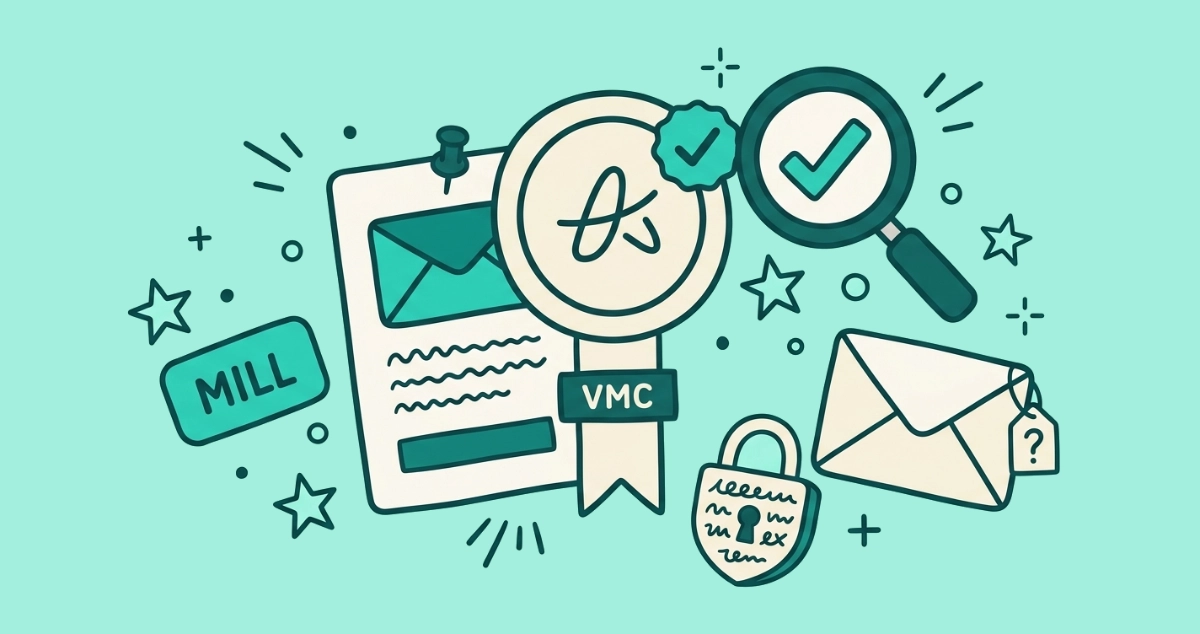
BIMI: why some senders show a logo or blue check in Gmail
Some Gmail senders show a round logo and a blue checkmark. Here's what BIMI and a Verified Mark Certificate actually prove, and what they don't.
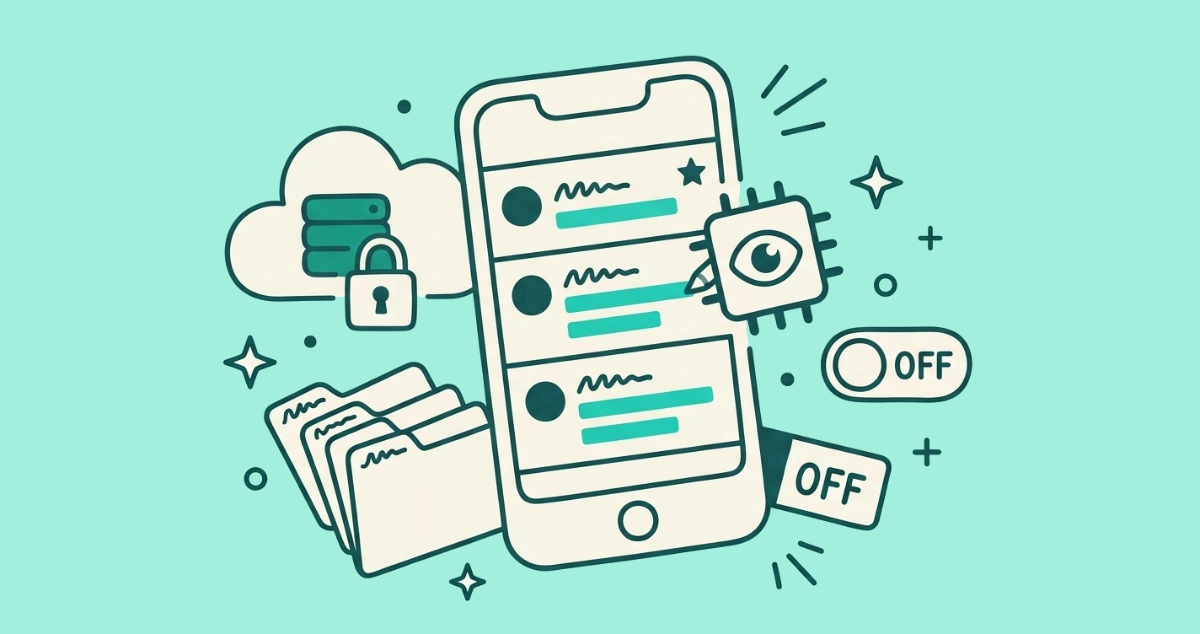
Apple Intelligence and your email: summaries, Priority, and on-device privacy
Apple Intelligence adds Priority messages, inbox summaries, and on-device processing to Apple Mail. Here is what each does, and how to switch it off.
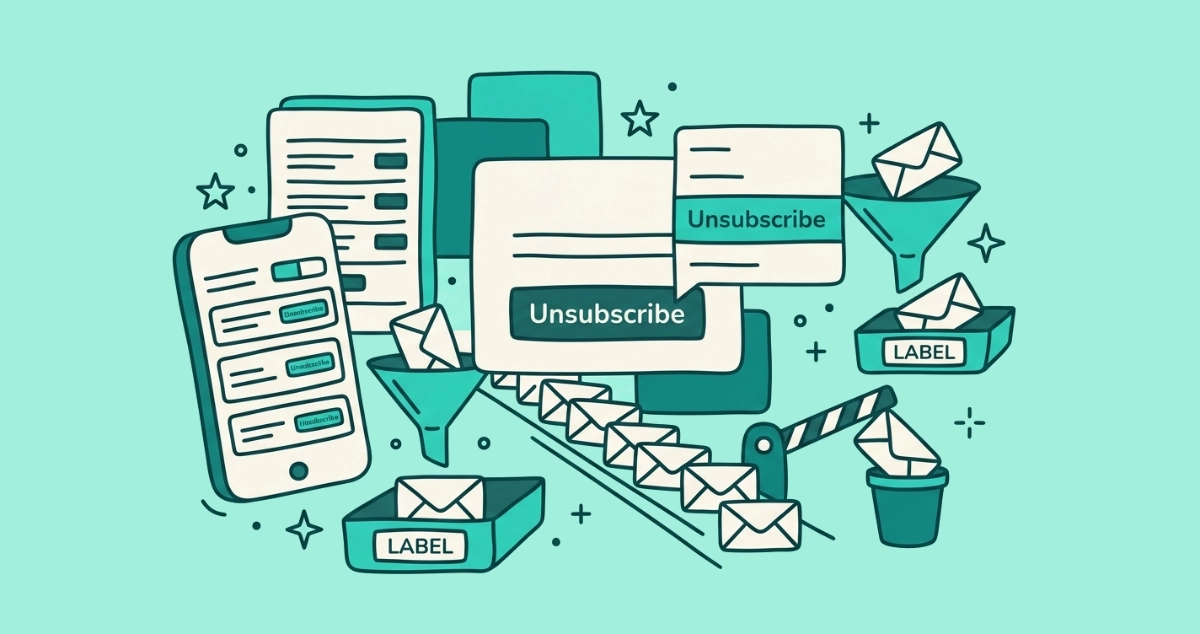
How to unsubscribe and clean up Yahoo Mail (2026)
Yahoo Mail has no bulk unsubscribe button. Here are the real ways to unsubscribe, block, and filter senders on Yahoo web and in the app.
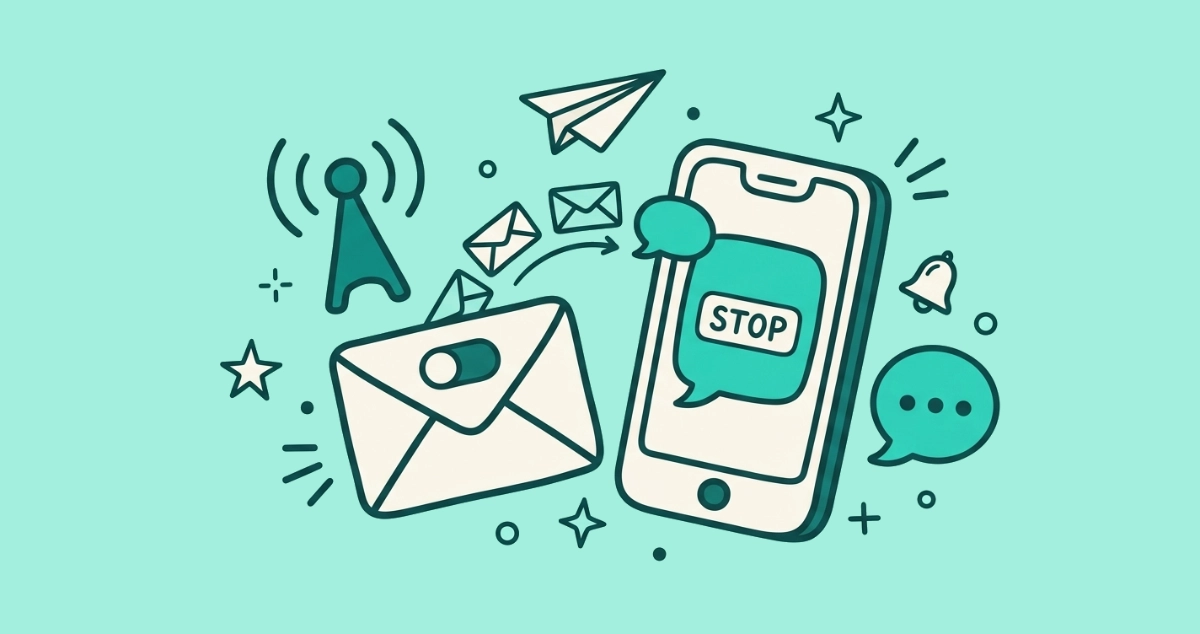
From inbox to DMs: how RCS and messaging are changing marketing
Brands now text, WhatsApp, and RCS-message you, not just email you. Here is what the shift to messaging marketing means, and how to keep control.
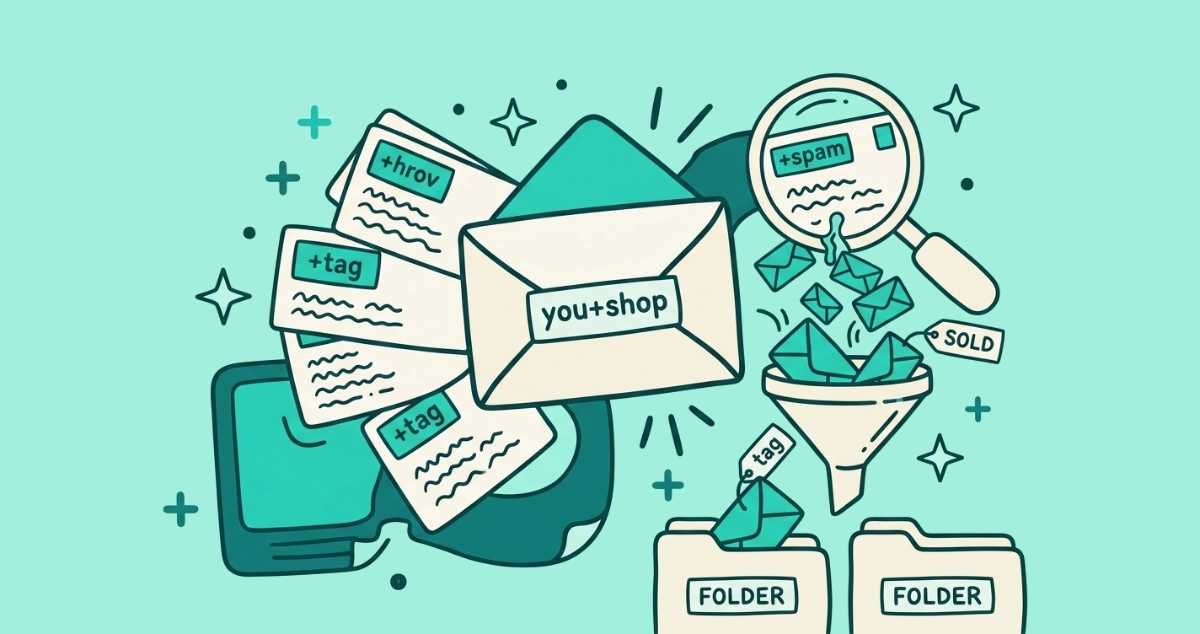
Plus addressing in Gmail: the free trick to catch who leaks your email
Add +anytag to your Gmail address and every variant still reaches your inbox. Give each signup a unique tag to see which company leaked or sold your email.
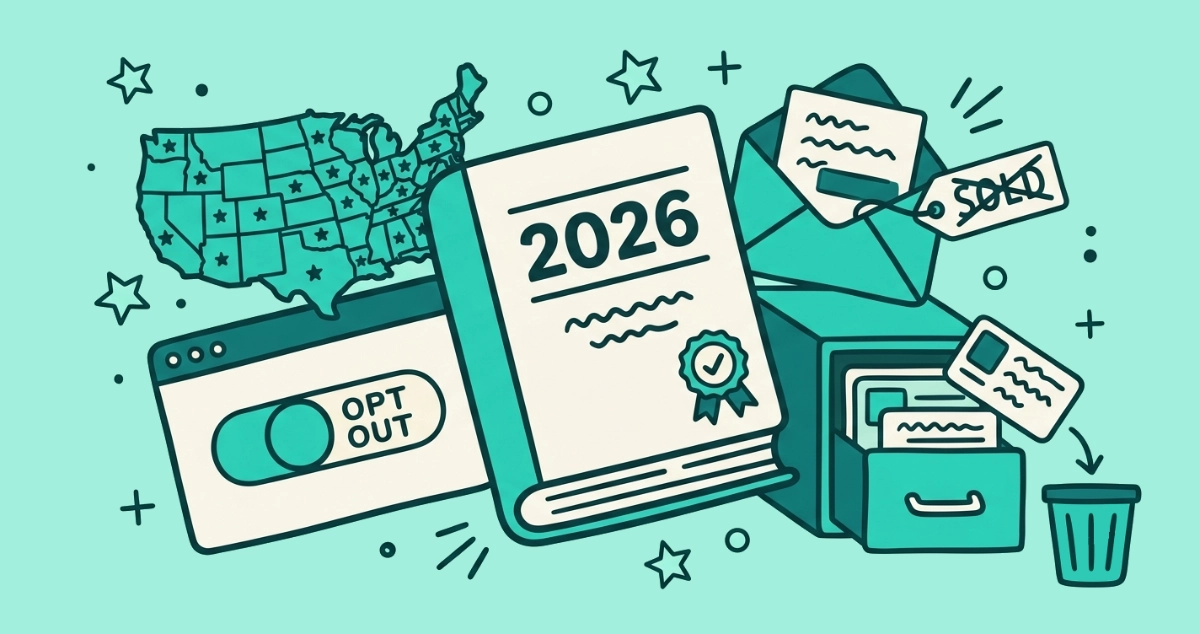
New privacy laws in 2026: what changed for your data and inbox
Three new state privacy laws took effect on January 1, 2026, bringing the total near 20 states. Here is what changed for your data rights and your marketing email.
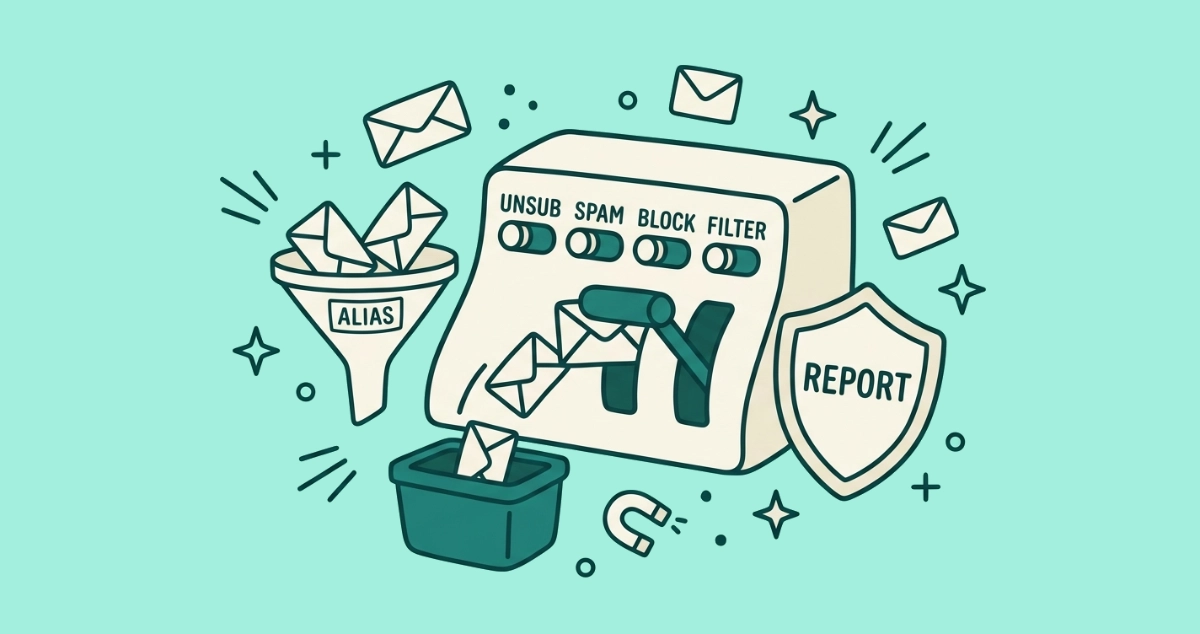
How to stop spam emails for good: the complete guide
The complete map of every way to cut spam: unsubscribe, mark as spam, block, filter, mask your address, and report. Match each tool to the right sender.
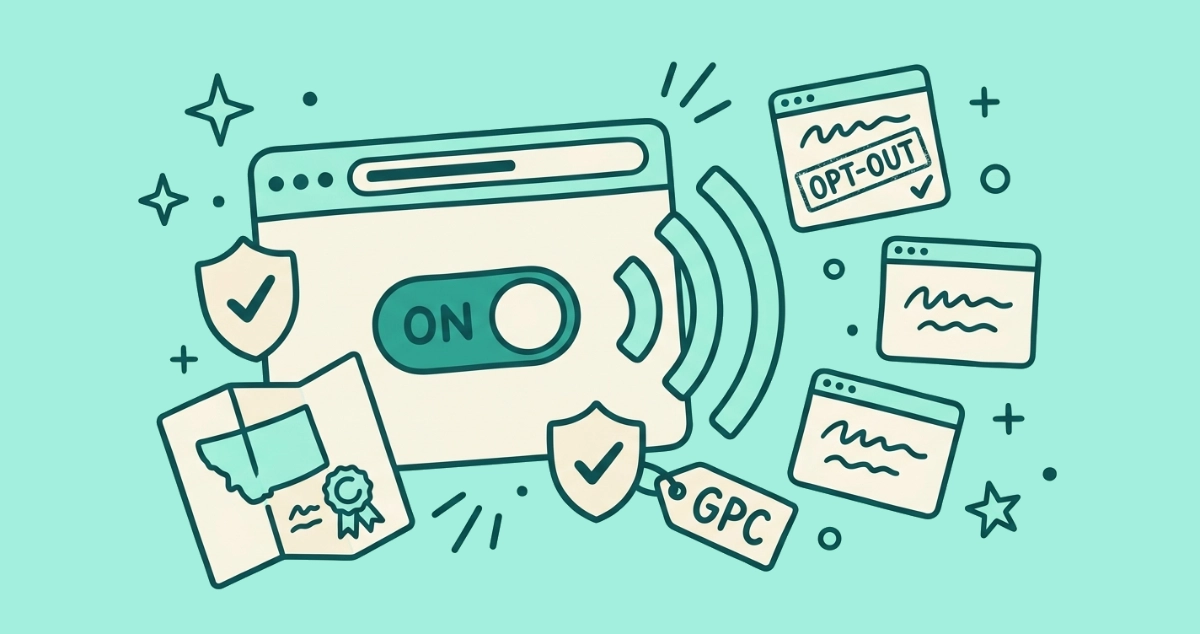
Global Privacy Control: the browser setting that opts you out automatically
Global Privacy Control is a browser signal that tells every site not to sell your data. Here's what it does, which browsers send it, and how to switch it on.
Does Inbox Zero actually work? A realistic take
Inbox Zero was never about an empty inbox. Here is what Merlin Mann actually meant, why the literal version fails for most people, and the higher-leverage move most guides skip.
Burner email addresses: when a throwaway inbox makes sense
A burner email is a throwaway address you use once and abandon. When a disposable inbox actually helps, the tools that make one, and where it breaks.
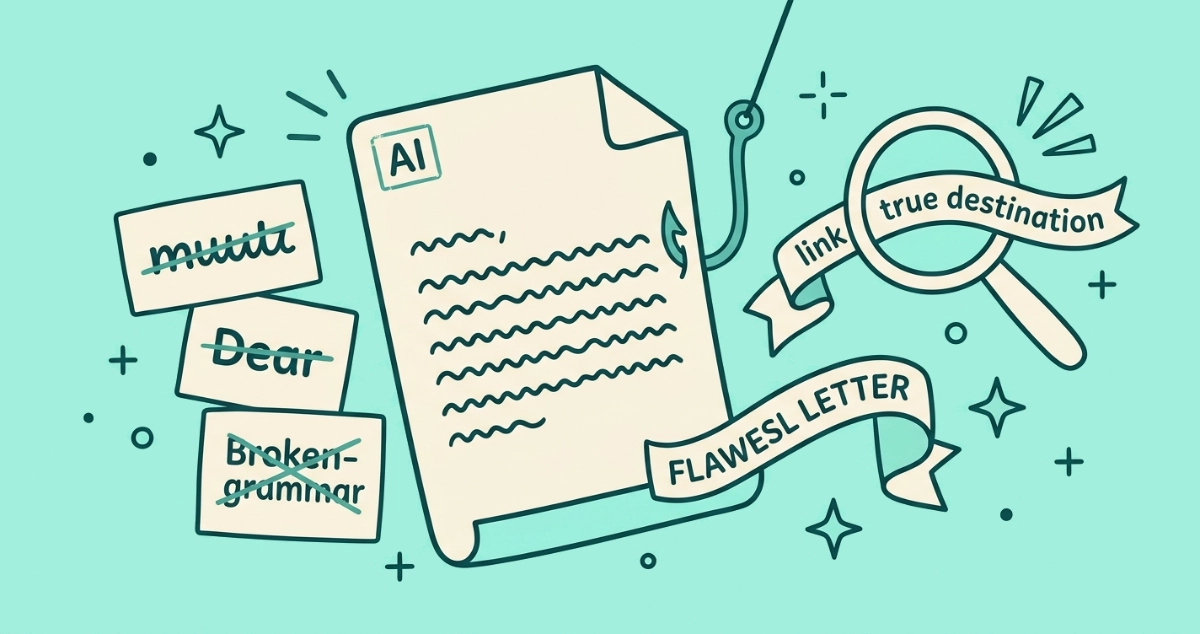
How to spot AI phishing emails in 2026
AI-written phishing erased the old giveaways: typos, clumsy grammar, generic greetings. Here is the 2026 playbook for spotting emails that now read clean.
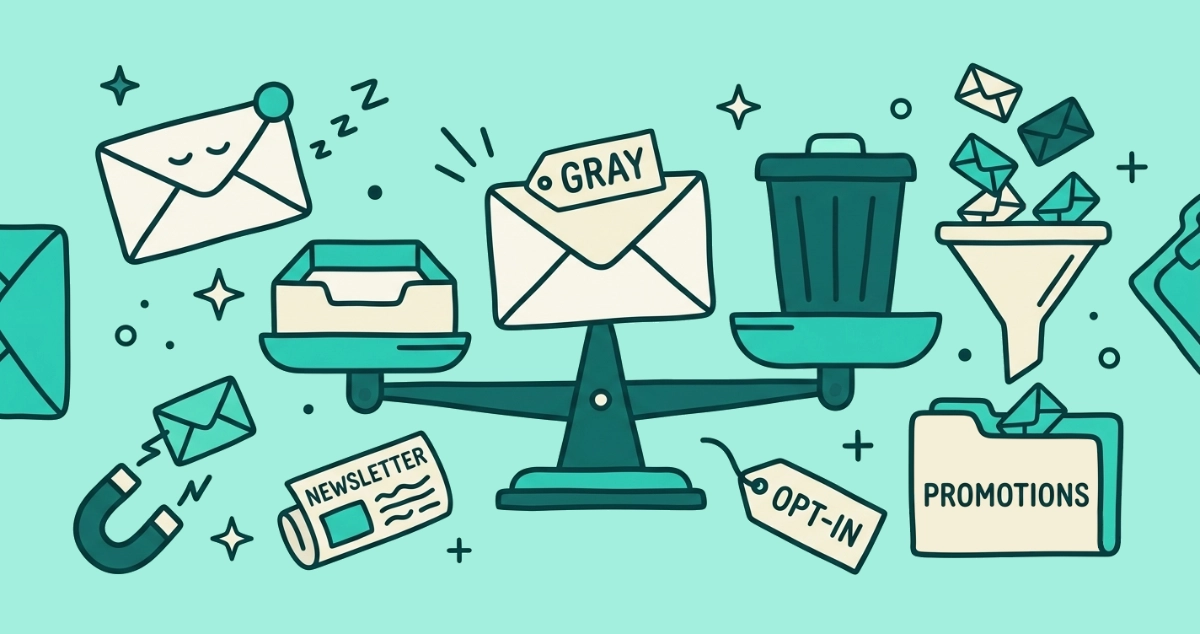
Graymail: the opted-in mail you never read
Graymail is the legitimate bulk mail you signed up for and stopped reading. Here is what it is, how it differs from spam, and how Gmail and Outlook sort it.
How to unsubscribe from emails on iPhone and Apple Mail
Unsubscribe in Apple Mail by tapping the banner at the top of a promo email on your iPhone, or clear senders in bulk with iCloud Mail Cleanup.
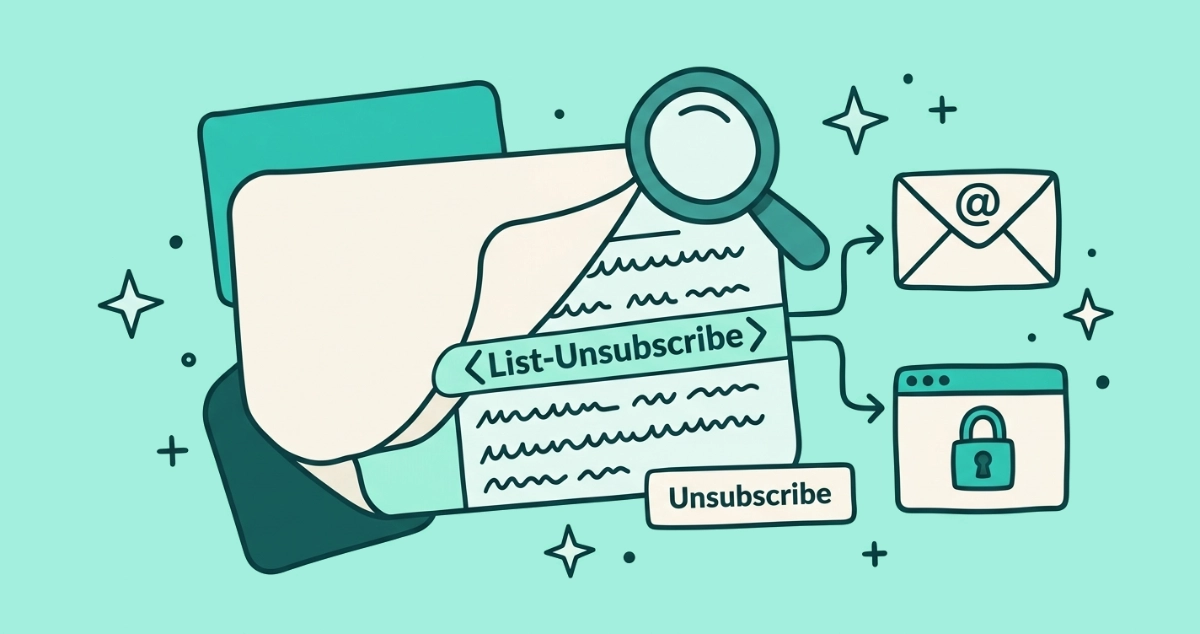
The List-Unsubscribe header, explained for normal people
The List-Unsubscribe header is the hidden line senders add so your mail app can draw an Unsubscribe button. Here's the raw syntax, the two forms, and how to read it yourself.
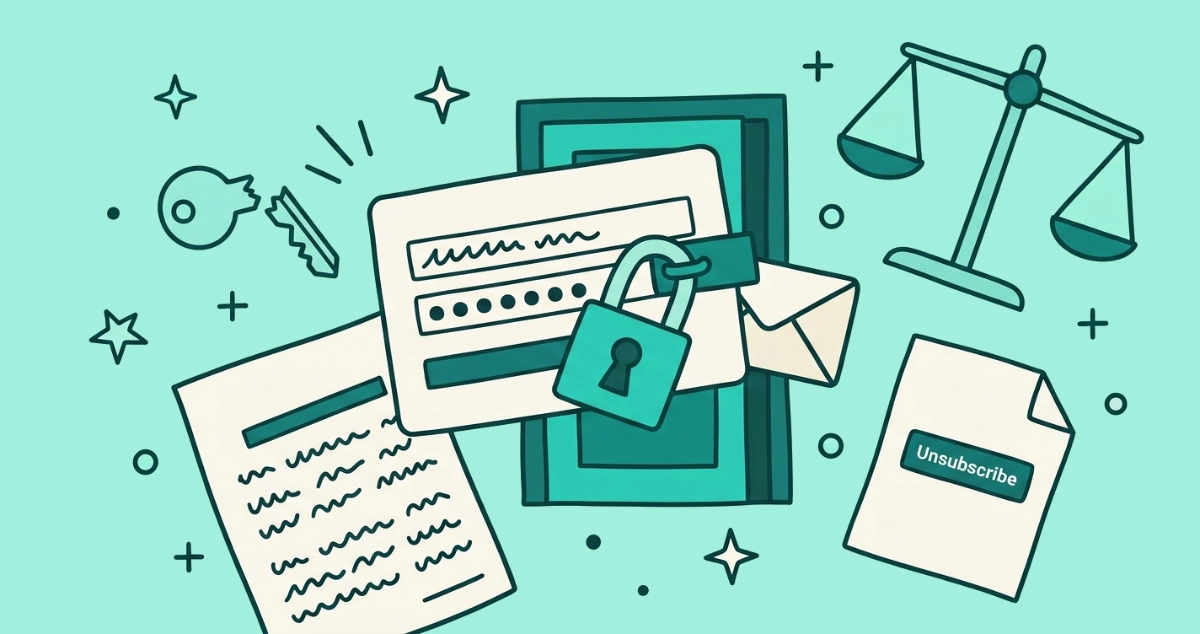
Is requiring a login to unsubscribe even legal?
A login wall on an unsubscribe page is legally suspect: CAN-SPAM bars extra steps beyond your email address, and GDPR says leaving must be as easy as joining.
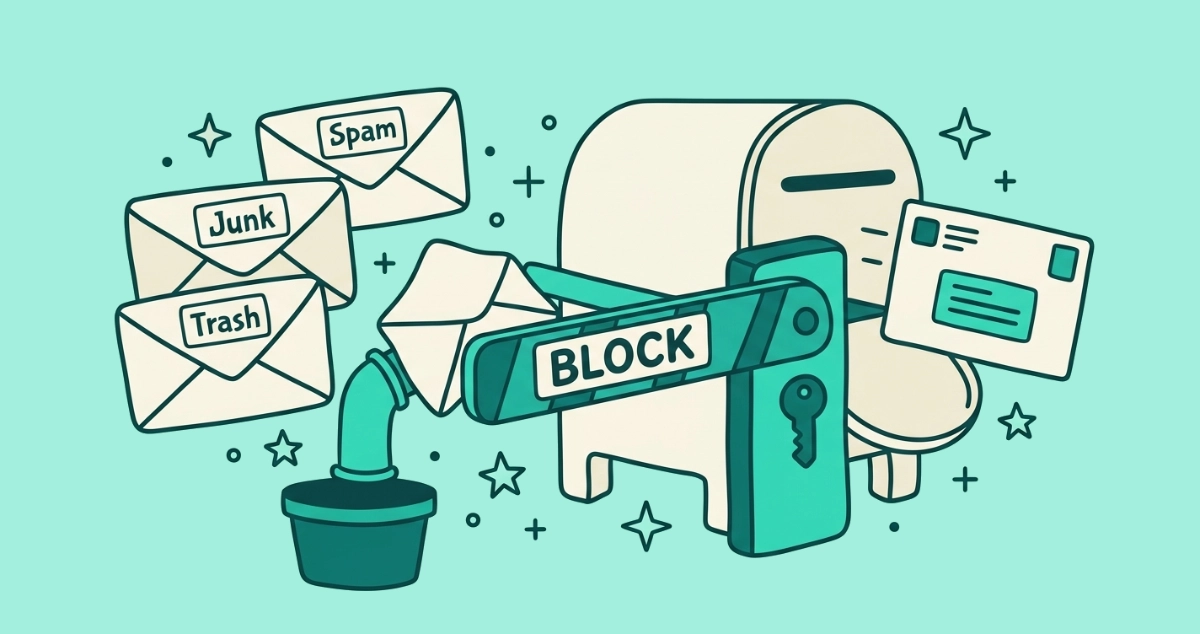
How to block an email sender in Gmail, Outlook, and Apple Mail
Block a sender in Gmail, Outlook, or Apple Mail in a few taps — and see how blocking differs from unsubscribing and marking as spam, plus what it can't do.
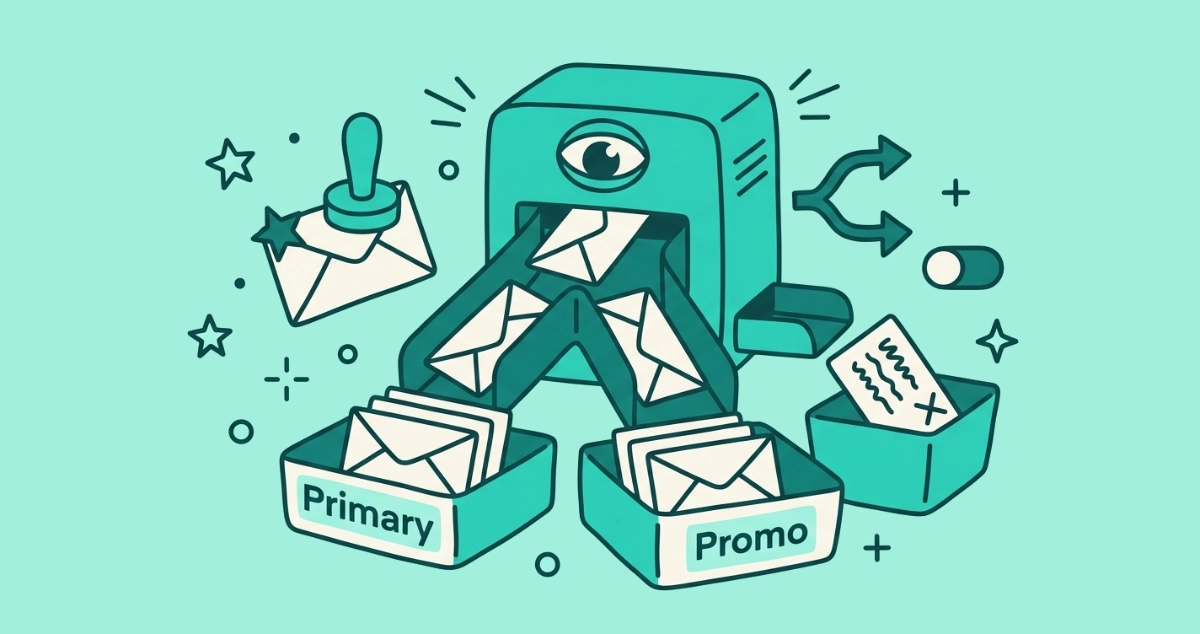
How AI decides what email you see: Gmail's inbox gatekeepers
Gmail's AI sorts every message into a category, an importance level, and a spam verdict before you see it. How it decides, and how to correct it.
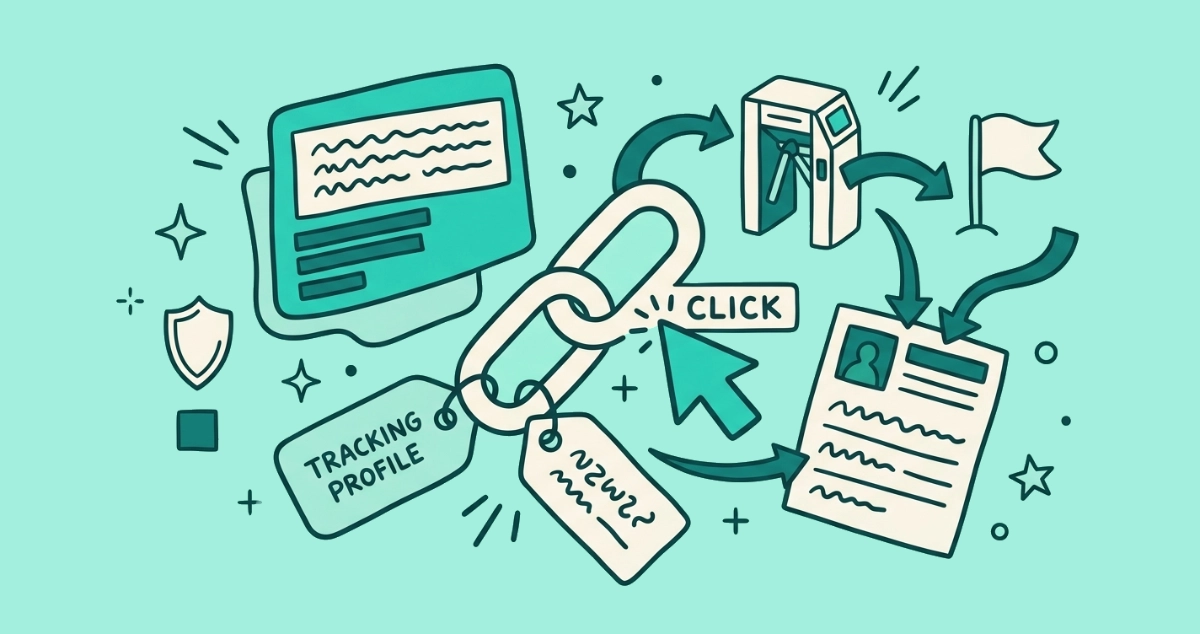
Email tracking in 2026: how marketers follow you beyond the pixel
Apple broke the open pixel, so marketers moved to click tracking and identity graphs. Here's what still tracks you in email in 2026, and how to reduce it.
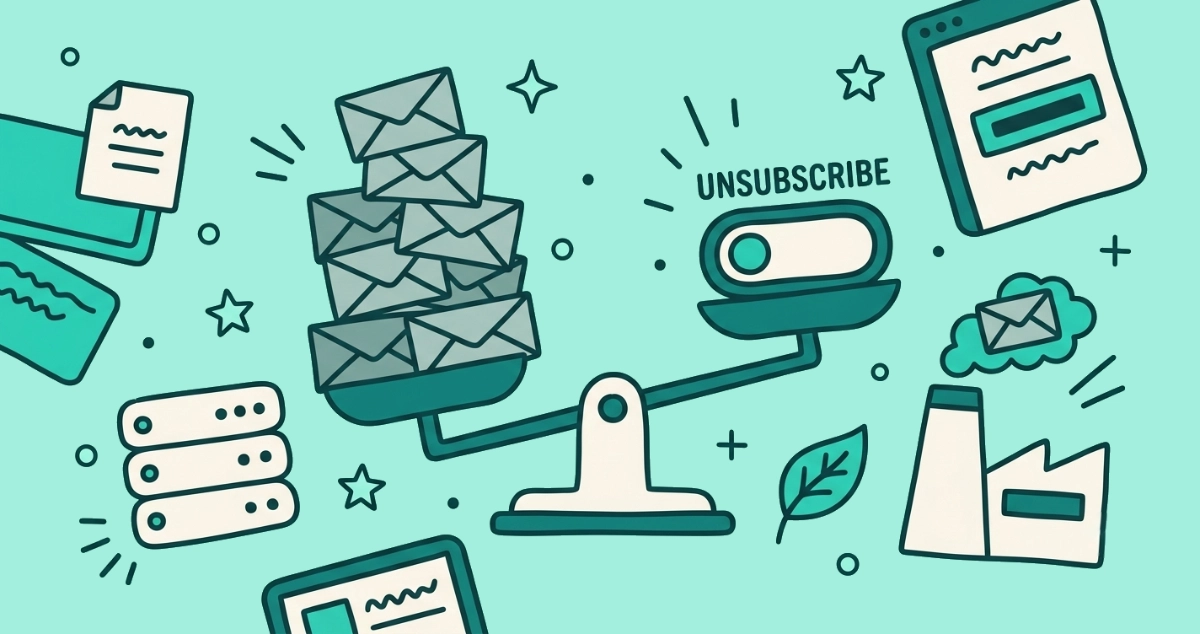
The carbon footprint of your inbox: does deleting emails matter?
Do old emails have a carbon footprint worth deleting? The honest, sourced answer: stored mail is a rounding error, and stopping unwanted sends is the real lever.
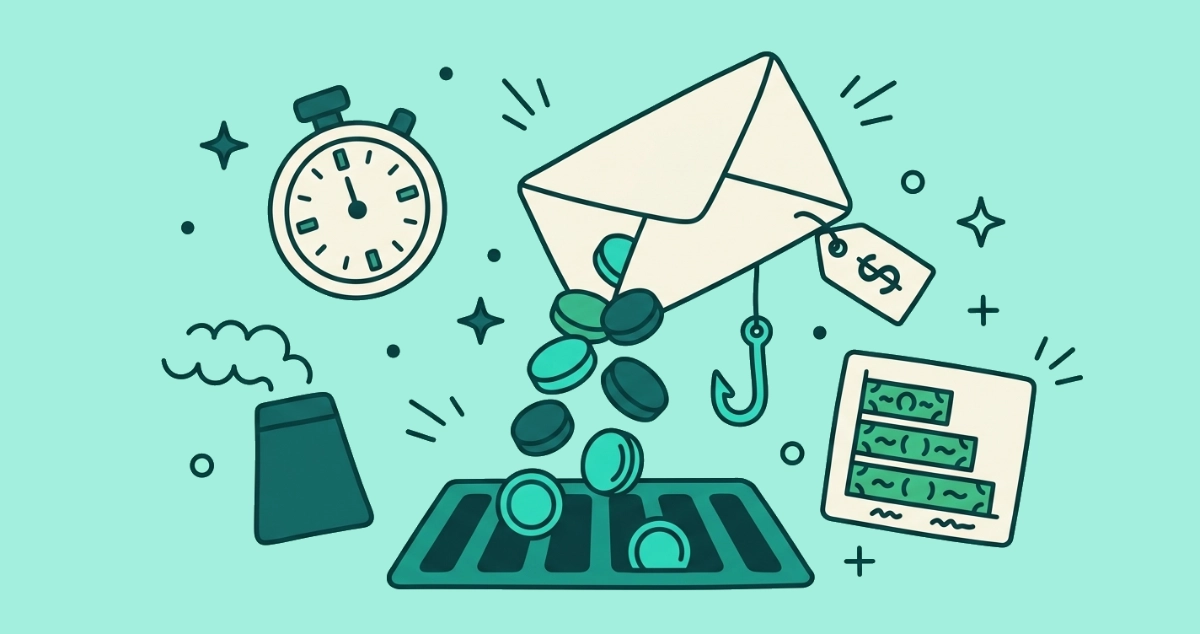
The real cost of spam and phishing in 2026
A sourced roundup of what spam and phishing actually cost: $16.6B in 2024 FBI losses, $2.77B in business email compromise, and the time and energy the rest of us pay.
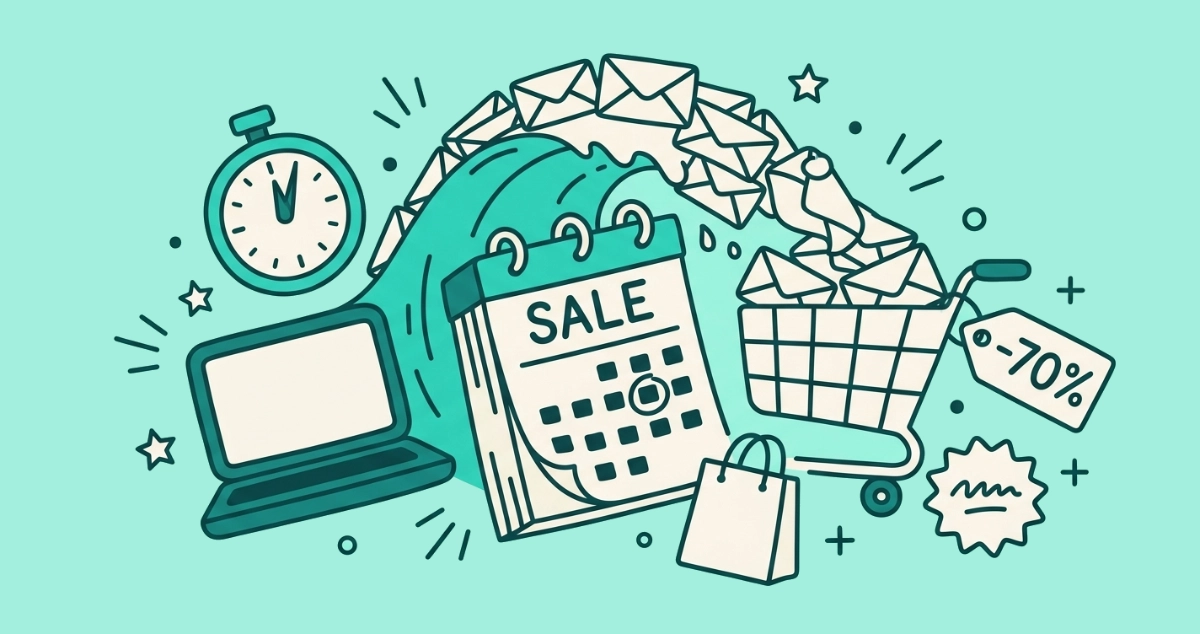
Black Friday email overload: why brands blast you (and how to survive it)
Your inbox floods around Black Friday and Prime Day. Here is how much email volume really jumps, why brands front-load these windows, and how to survive it.
The newsletter boom: why your inbox has more newsletters than ever
Your inbox is full of newsletters you actually signed up for. Here is what drove the newsletter boom, why these are harder to leave than promos, and how to prune them without guilt.
Why we never store your emails: an architecture walkthrough
A plain-language walkthrough of how our privacy-first unsubscribe tool scans your inbox in the browser, keeps no refresh token, and never sees your email.
The volume war is over: why smart brands now email you less
Some of your favorite senders got quieter in 2026. Here is why provider rules pushed smart brands to email less, and why the spammy ones still stand out.
What is your email address actually worth?
Your email address sells for a fraction of a cent in bulk yet earns marketers $36+ per dollar. What a subscriber is really worth, and how to lower yours.
How to unsubscribe from emails without opening them
You can opt out of a mailing list without ever opening the message, using your mail app's own unsubscribe control instead of the sender's link.
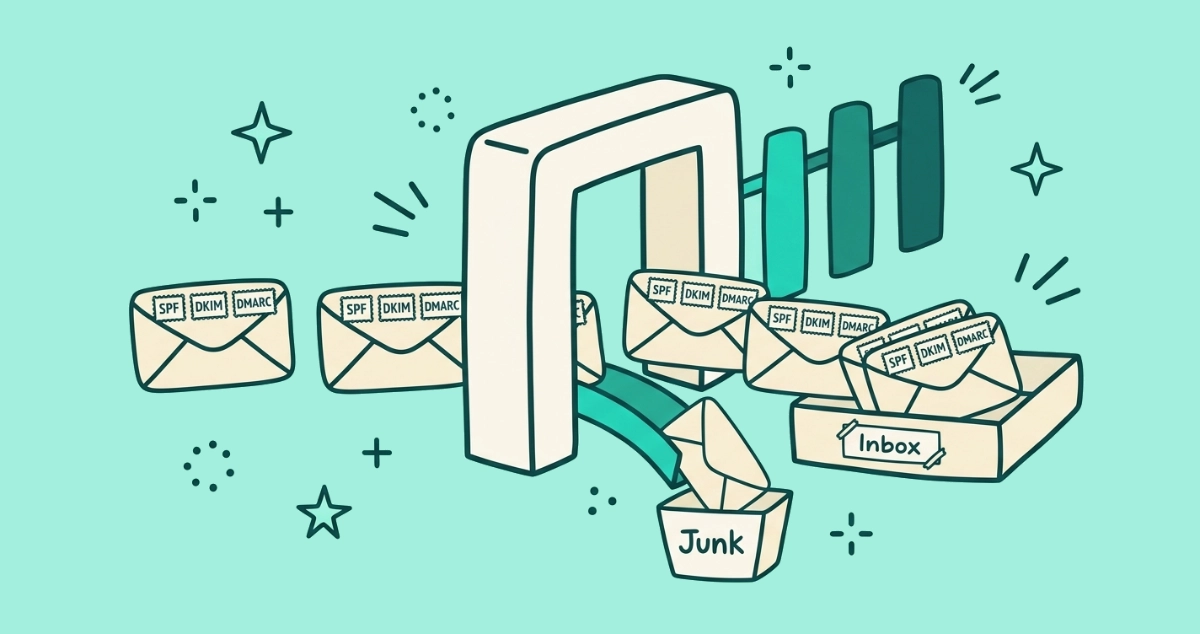
Microsoft Outlook joins the bulk-sender crackdown: what it means for your inbox
Microsoft's May 2025 rules make bulk senders authenticate their mail to reach your Outlook inbox, completing the crackdown Gmail and Yahoo started in 2024.
Masked email aliases explained (and where unsubscribing still matters)
A masked email alias hides your real address behind a forwarding one. Here's how the major services work, what they protect, and what they can't.
Is AI writing the emails you get? Generative AI and your 2026 inbox
AI now drafts the subject lines, body copy, and send times of the emails you get. What changed in 2026, and why unsubscribing is the counter-move.
Do transactional emails need an unsubscribe link?
Genuinely transactional emails like receipts and password resets are exempt from the unsubscribe rule under CAN-SPAM, GDPR, and CASL. Marketing is not.
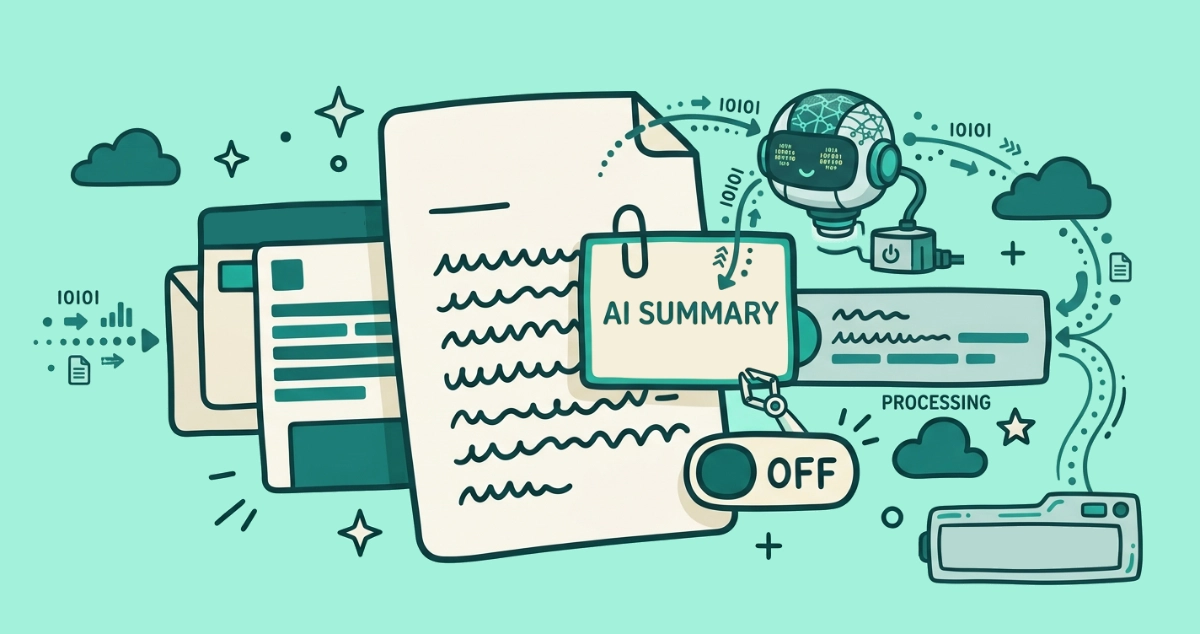
AI email summaries in Gmail and Apple Mail: what they do to your inbox
Gmail and Apple Mail now summarize your email with AI. Here's who processes it, where it can go wrong, and how to turn the summaries off.
Why unsubscribing can get you more spam (and when it won't)
Unsubscribing from junk can confirm your address is live and bring more spam. Here's when it backfires, when it's safe, and how to tell before you click.
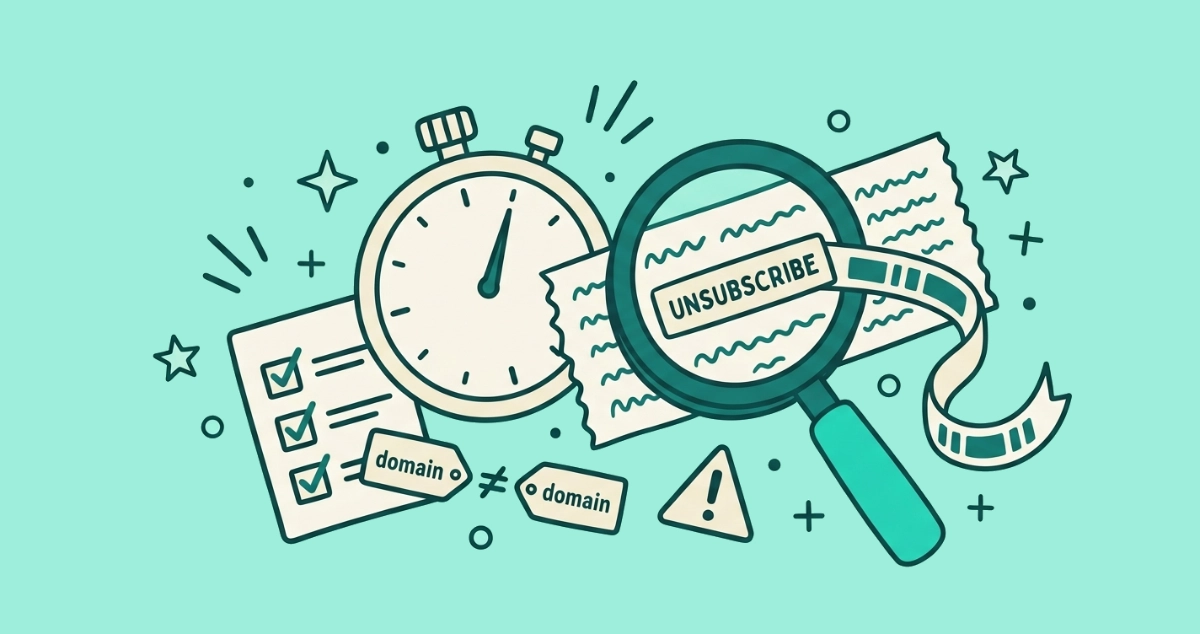
Is this unsubscribe link safe? A 60-second checklist
You have one unsubscribe link in front of you and 60 seconds to decide. Three checks tell you whether to click it or mark the email as spam instead.
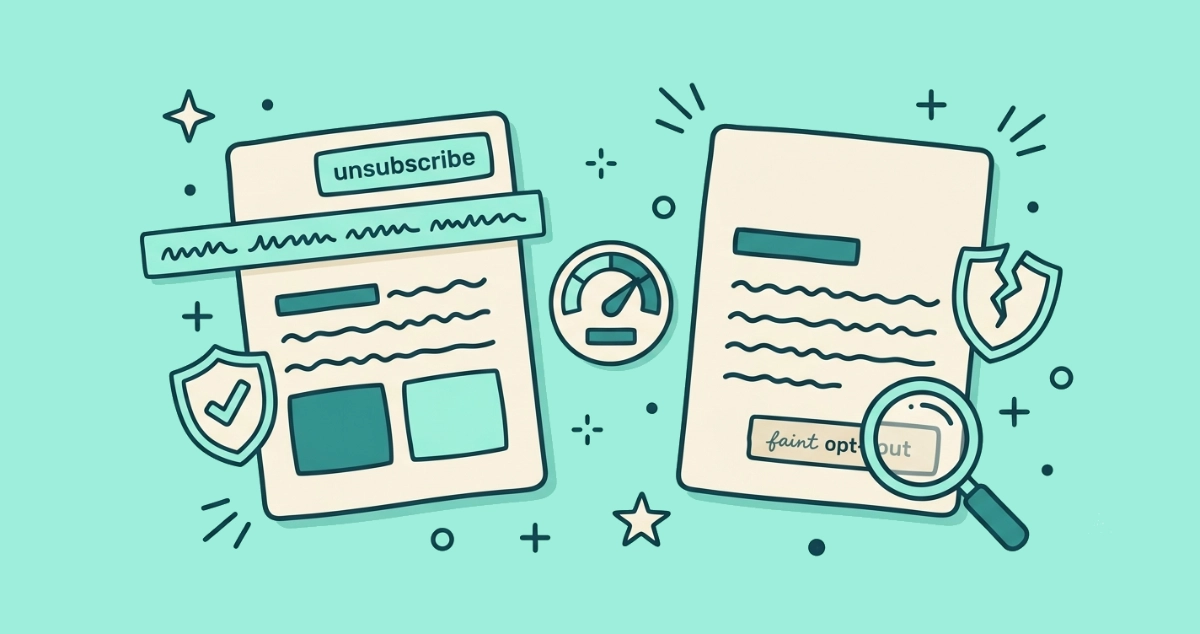
Why the Gmail Unsubscribe button is missing (and how to unsubscribe anyway)
Gmail shows its Unsubscribe button only when an email has a valid List-Unsubscribe header and a trusted sender. Here's why it's missing and how to opt out anyway.
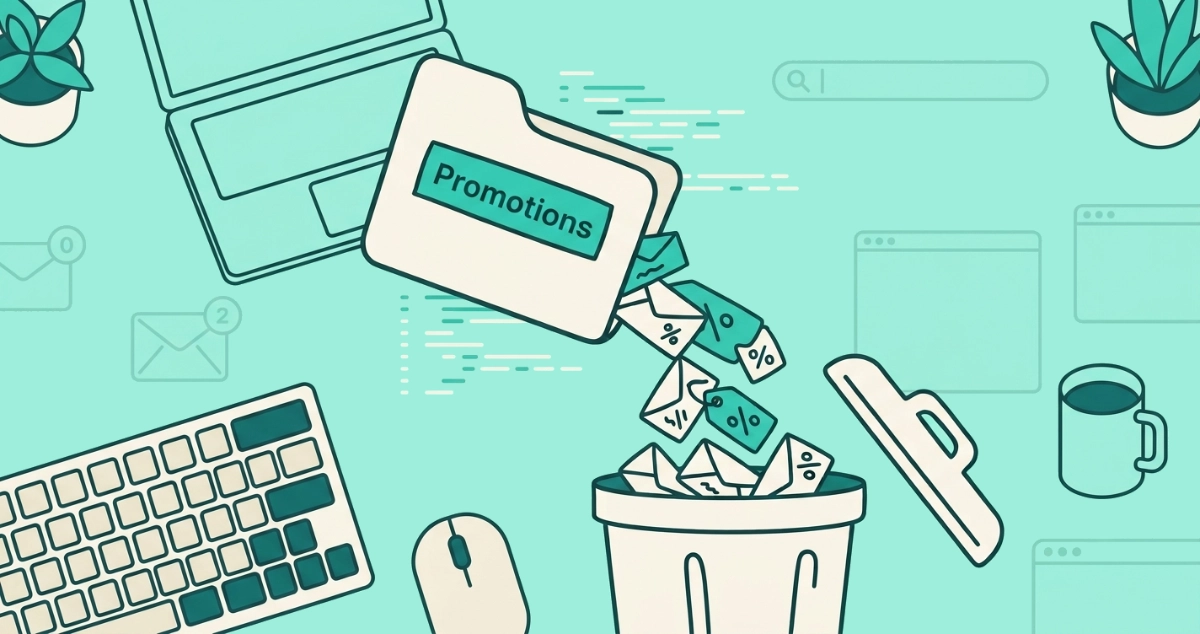
How to delete all Promotions in Gmail at once (with search operators)
Clear Gmail's Promotions category in about a minute: search category:promotions, select all, and trash it. Use older_than: or date filters to spare recent deals.
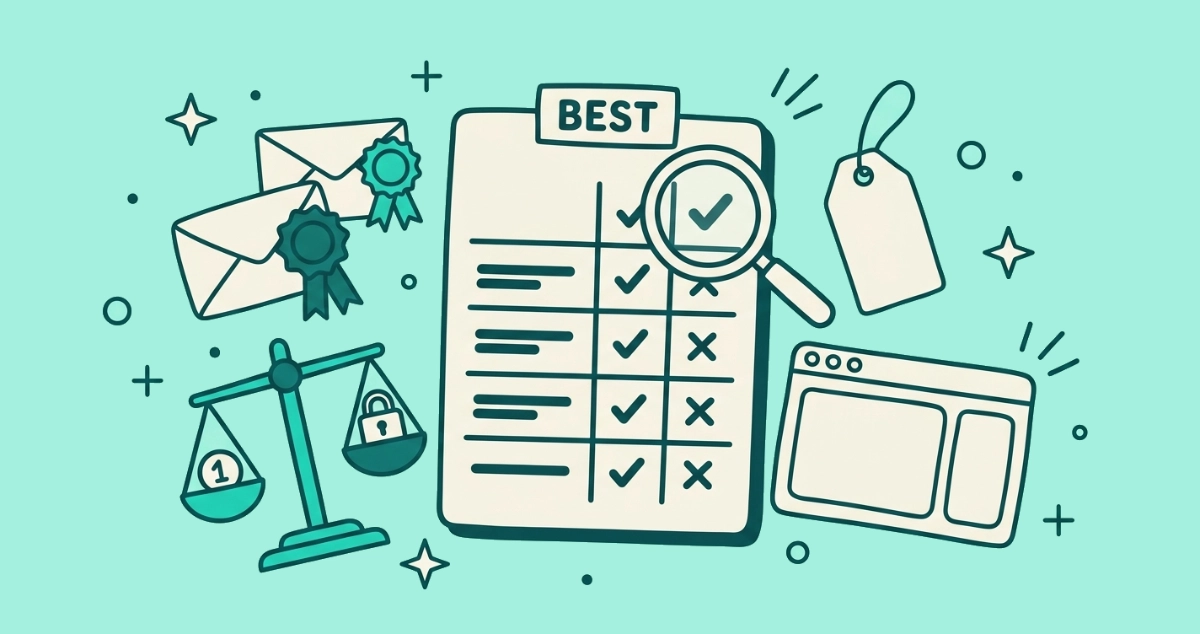
Best email unsubscribe apps in 2026: which is good for what
There is no single best unsubscribe app. Here's a fair comparison of Clean Email, Leave Me Alone, Unroll.me, Cleanfox, Gmail's built-in tool, and us on price, data, access, and platforms.
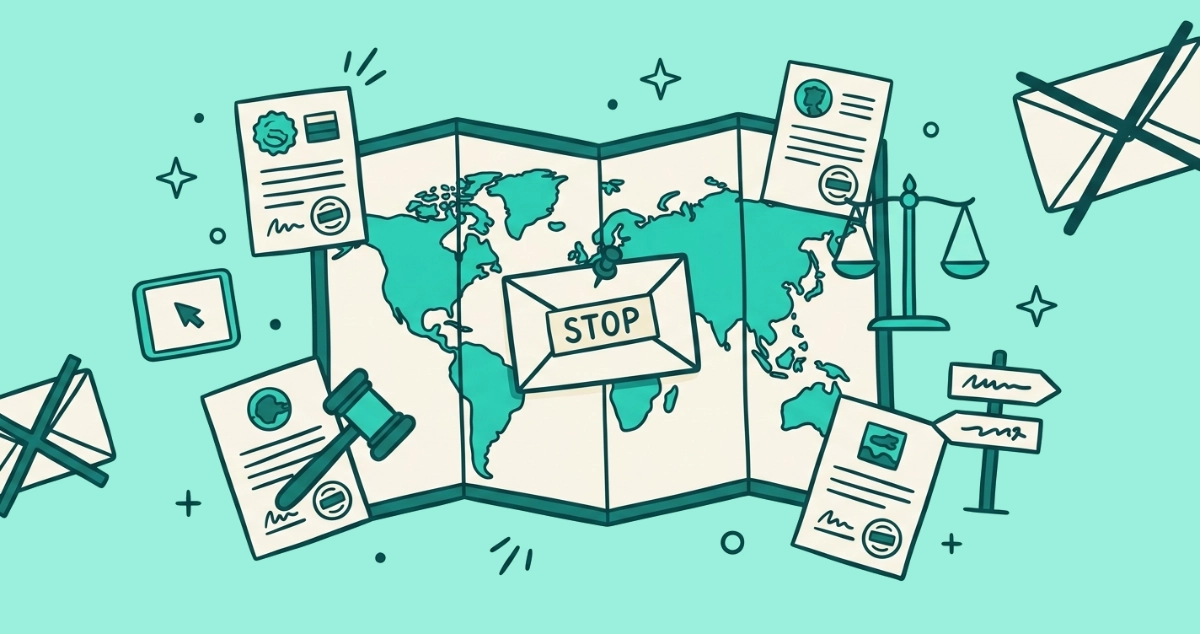
Unsubscribe laws by country: your email rights by region
Your unsubscribe rights split into two models: opt-out in the US under CAN-SPAM, opt-in across the EU, UK, Canada, and Australia. Here is the map.
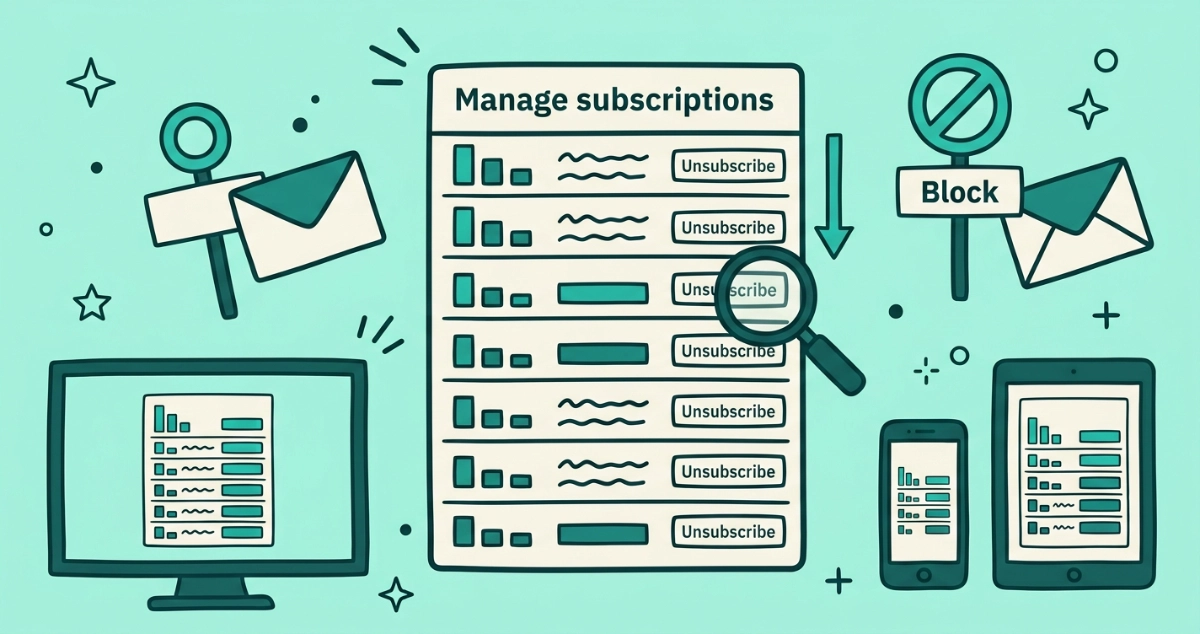
Gmail's Manage subscriptions panel: the full guide and its limits
A deep dive on Gmail's Manage subscriptions panel: how to open it on web, Android, and iOS, how frequency sorting works, what Unsubscribe and Block each do, and what the feature can't do.
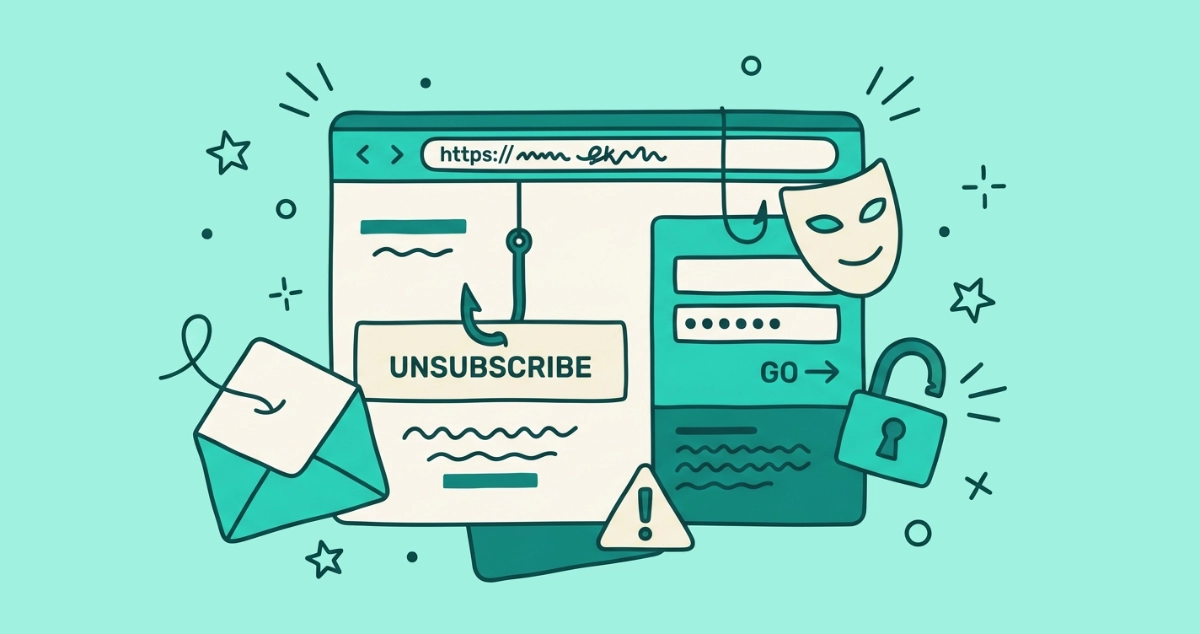
Fake unsubscribe links: how phishing hides behind opt-out pages
A fake unsubscribe page mimics a sender's opt-out to steal your password. Here's how the scam is built, how to spot the page, and what to do if you clicked.
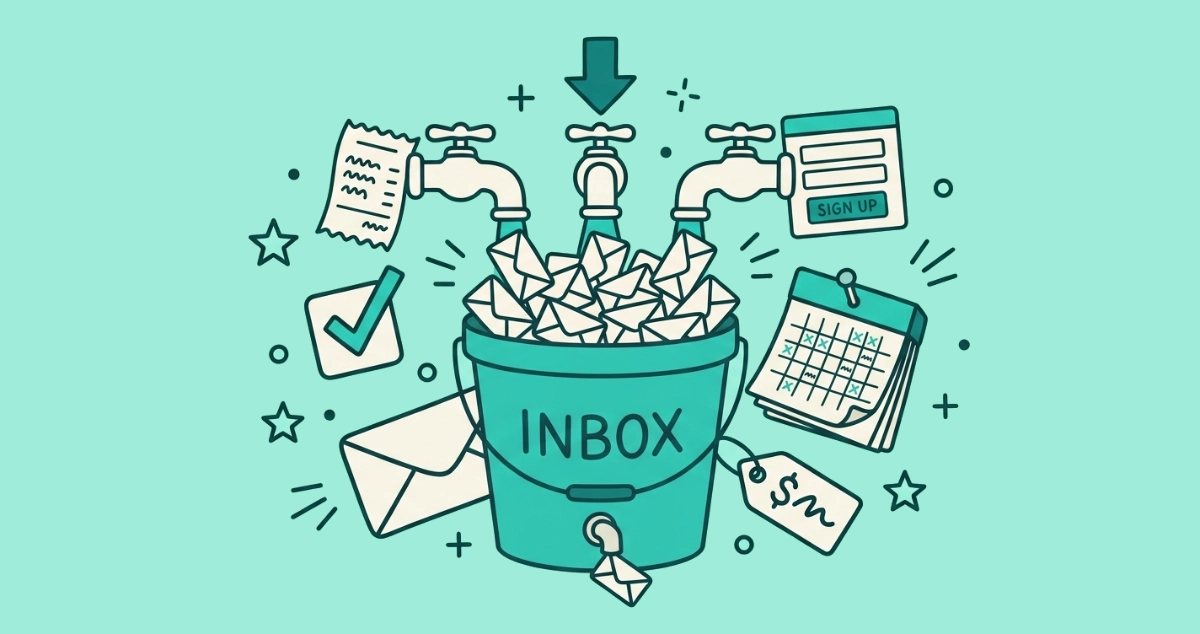
Email subscription fatigue: why your inbox fills back up in 90 days
You cleaned out your inbox and it refilled in three months. Here is why subscription fatigue is a treadmill, where the new senders come from, and how to keep it clear.
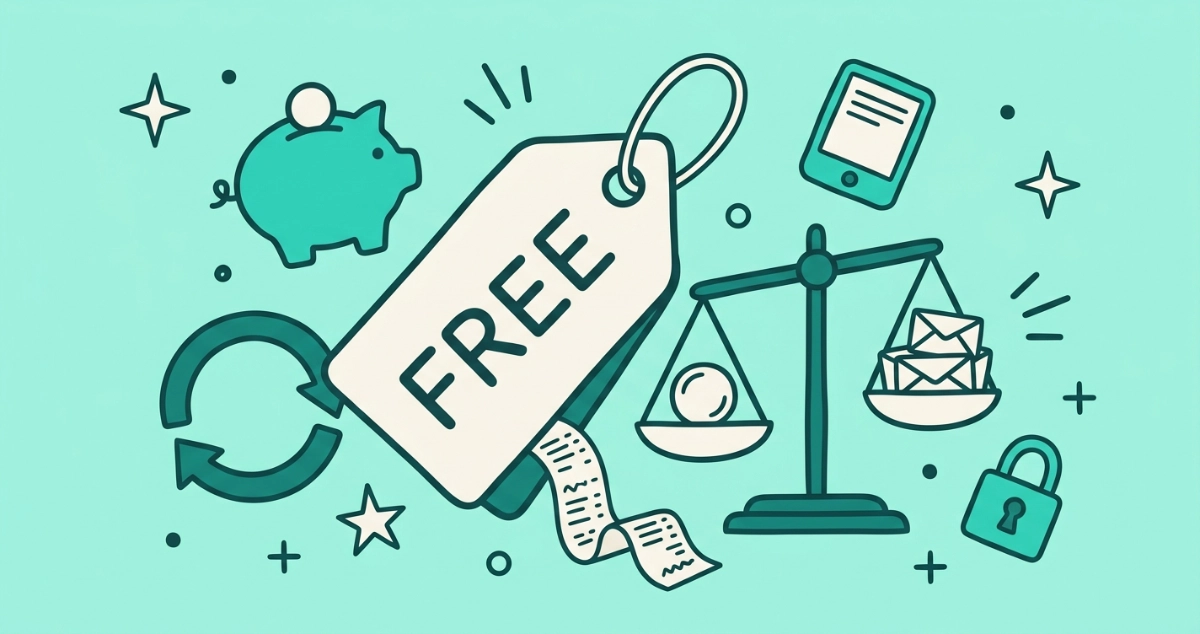
Free vs paid unsubscribe tools: what 'free' costs you
A free unsubscribe tool still has to make money somewhere. Here's how the free, freemium, subscription, and one-off models each treat your inbox.
Unsubscribe or mark as spam? A decision guide
Two buttons, two very different jobs. Here is exactly when to unsubscribe, when to mark as spam, and what each one does under the hood.
How to unsubscribe from emails in Outlook (2026)
Outlook has no single button that unsubscribes from everything. The real routes across new Outlook, classic desktop, web, and mobile, why Sweep and Block don't opt you out, and where unsubscribe add-ins fit.
Unroll.me alternatives that don't sell your data
Why people leave Unroll.me, and a fair comparison of the real alternatives — Clean Email, Leave Me Alone, Cleanfox, Gmail's built-in tool, and us — on price, access, and data use.
How to report a company that keeps ignoring your unsubscribe
Still emailing you past day 10? Pull the full headers, log the dates, and file with the FTC, your EU DPA, or the UK ICO. Here is the step-by-step.
Email overload statistics: a sourced 2026 roundup
How big is inbox overload, really? A roundup of email volume, spam, time-cost, and subscription-fatigue statistics for 2026, every number with a named source.
One-click unsubscribe, explained: what RFC 8058 does for your inbox
One-click unsubscribe is the RFC 8058 standard behind the Unsubscribe button at the top of some emails. Here's what it does and why it's safer.
Unsubscribed but still getting emails? 7 reasons why (and fixes)
You unsubscribed and the emails keep coming. Here are the seven reasons why you still get emails after unsubscribing, and the exact fix for each.
How to mass unsubscribe from emails in Gmail (2026)
Gmail has no single button that unsubscribes from every sender at once. Here are the three real ways to mass unsubscribe, plus why deleting Promotions is a different job.
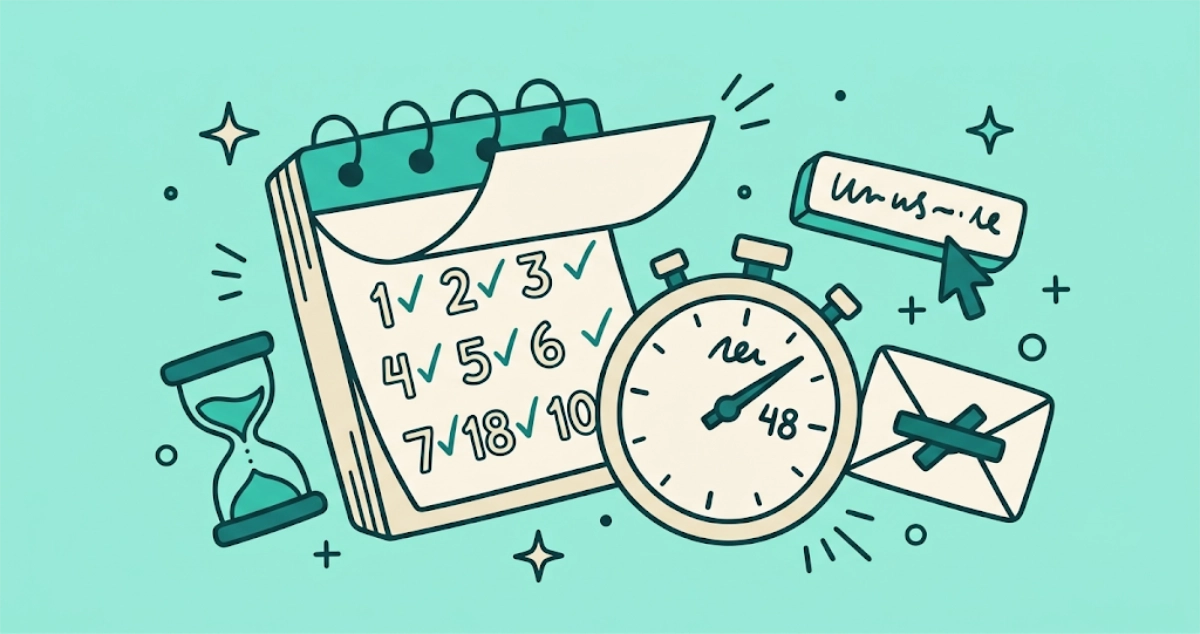
How long can a company keep emailing you after unsubscribing?
The clock is 10 business days under CAN-SPAM, or just 48 hours if the sender is a Gmail or Yahoo bulk mailer. Anything after that is a violation you can report.
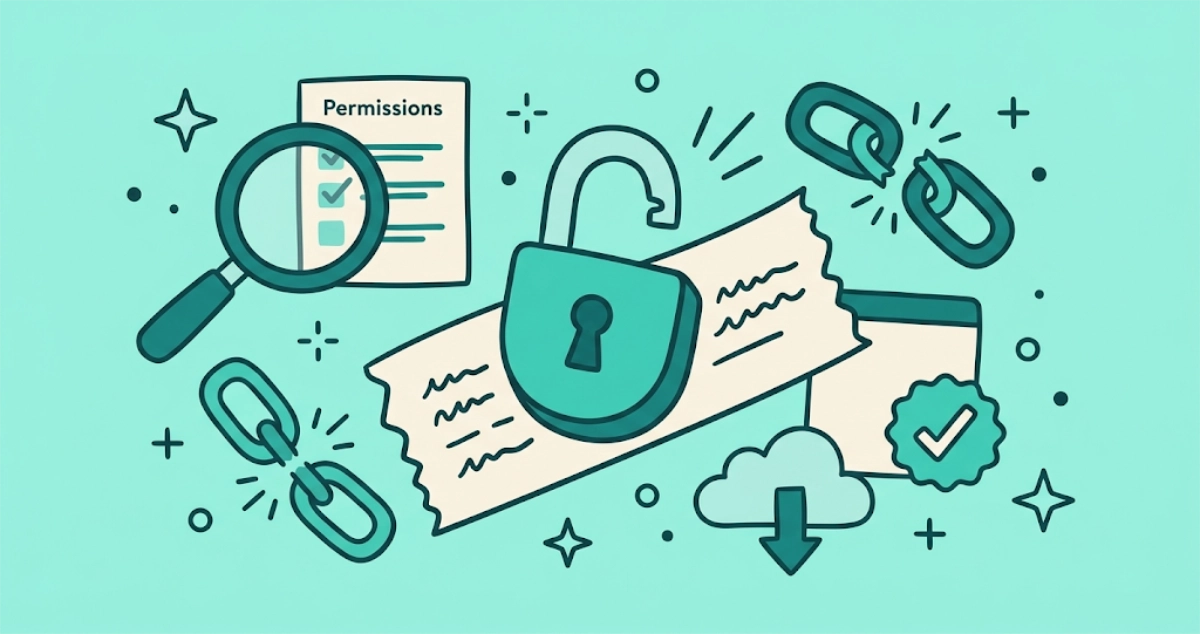
Are email unsubscribe apps safe? What inbox access really means
Some unsubscribe apps are safe, some sell your data. Learn what OAuth scopes, refresh tokens, and cloud processing mean so you can vet any app before you connect it.
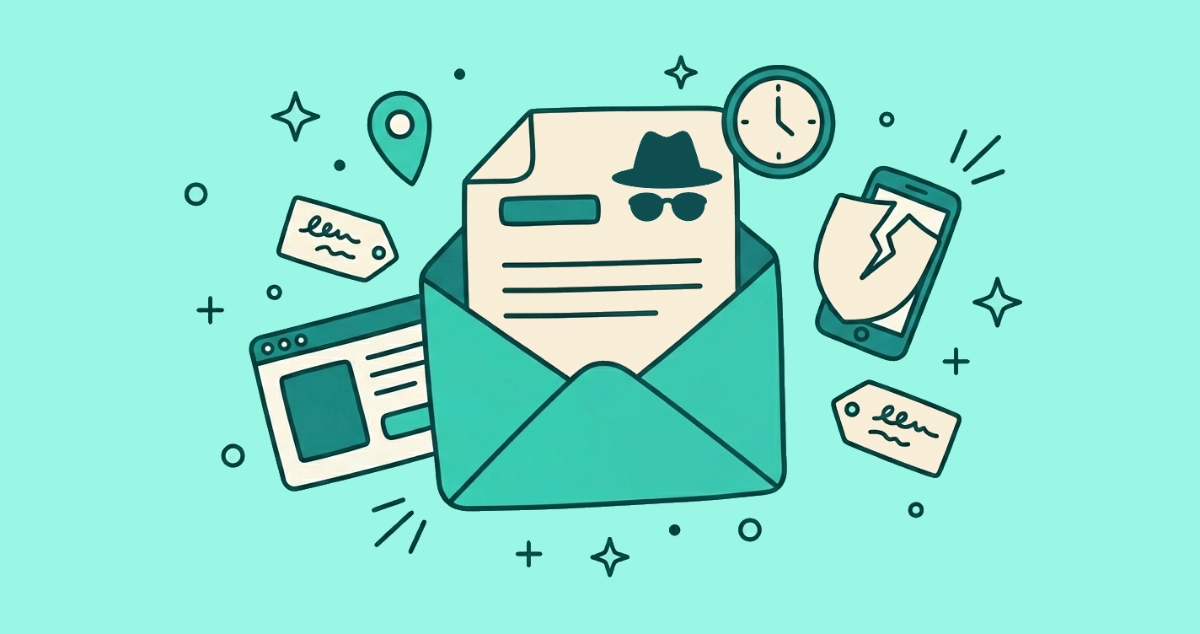
Spy pixels: the invisible trackers in more than half of your emails
Open a marketing email and a hidden 1×1 pixel often reports your open time, location, and device back to the sender. Here's how to block it.
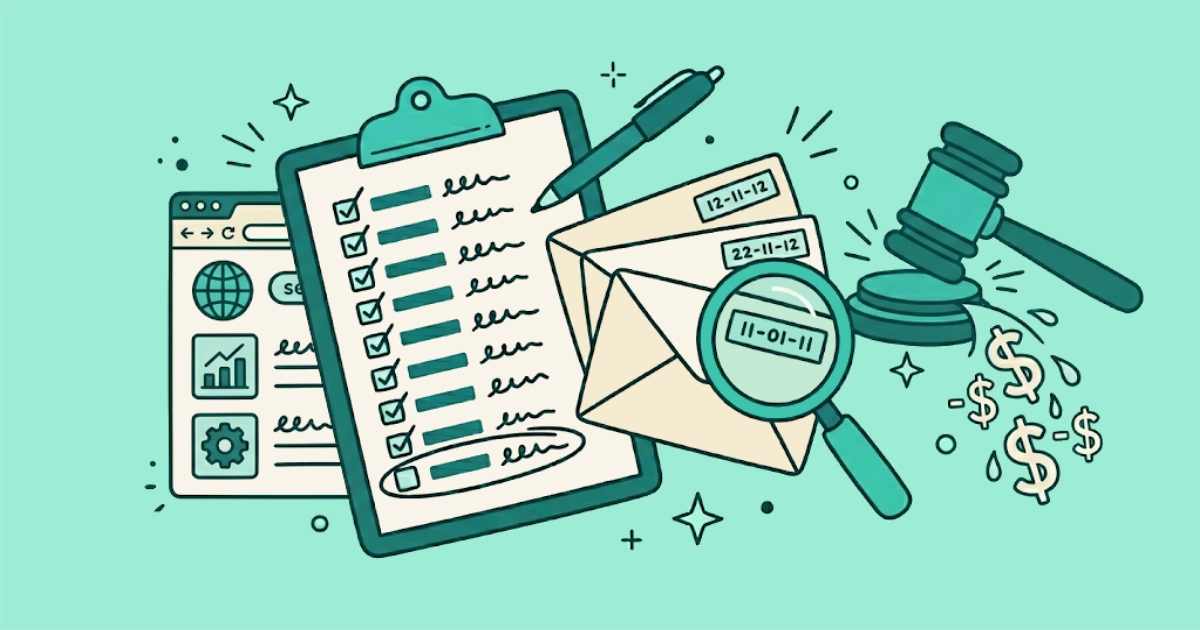
Your rights when 'unsubscribe' doesn't stop the emails
You unsubscribed. They kept emailing. Under CAN-SPAM and GDPR you have legal recourse, and the FTC's settlement record proves senders take it seriously.
Is it safe to click unsubscribe?
Roughly 1 in 644 unsubscribe links leads to a malicious site. Here's how to tell the safe ones from the traps in under 30 seconds.
Email Unsubscriber is now CASA Tier 2 validated
Email Unsubscriber cleared ADA's CASA Tier 2. The validation unlocks Gmail support and confirms what we built behind the scenes.